A man previously convicted of murder is petitioning the British Columbia Supreme Court to have his case thrown out, arguing that his right to a timely trial has been violated by excessive delays. The application, filed in Vancouver, adds to the ongoing national conversation about court backlogs and the rights of the accused.
Legal Argument Centered on Timeliness
The core of the application rests on the precedent set by the Supreme Court of Canada's 2016 Jordan ruling, which established strict timelines for criminal proceedings. The ruling mandates that cases in provincial courts should be concluded within 18 months, and those in superior courts, like the B.C. Supreme Court, within 30 months, barring exceptional circumstances or delays caused by the defence.
The convicted individual's legal team is expected to argue that the delays in his proceedings have surpassed these ceilings, constituting a breach of his Charter right to be tried within a reasonable time. A successful application would result in a judicial stay of proceedings, effectively ending the case without a verdict on the merits.

Proceedings in Vancouver's Law Courts
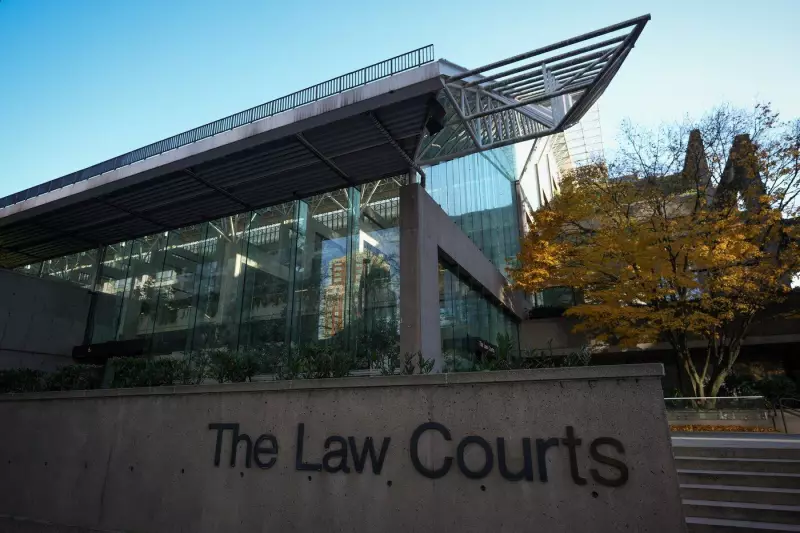
The hearing is taking place at the Law Courts building in Vancouver, which houses both the B.C. Supreme Court and the B.C. Court of Appeal. This iconic facility is often the backdrop for high-profile legal battles that test the boundaries of Canadian jurisprudence.
While the specific details of the murder case and the exact length of the delays are part of the sealed court record, the outcome of this application will be closely watched by legal experts, Crown prosecutors, and defence attorneys across the province. It serves as a practical test of how the Jordan framework is applied in complex, serious cases years after the landmark decision.
Broader Implications for the Justice System
This case highlights the persistent tension within Canada's justice system between the imperative for thorough, fair trials and the constitutional guarantee of a speedy process. Systemic issues such as resource constraints, scheduling conflicts, and the complexity of evidence in murder trials frequently contribute to timelines stretching beyond the Jordan limits.
The judge's decision will carry significant weight. A ruling in favour of the applicant could see a convicted individual walk free due to procedural failure, raising public concern. Conversely, a dismissal of the application would reinforce the Crown's position that the delays were justified or attributable to the defence, upholding the original conviction. The ruling will provide further guidance on what constitutes "unreasonable delay" in British Columbia's superior courts.