Charges Dropped Against Anti-Israel Protesters in Canada at High Rate
An analysis of recent anti-Israel protest cases across Canada reveals a troubling pattern: the vast majority of criminal charges are being dropped, stayed, or otherwise abandoned by prosecutors. This trend emerges amid ongoing political declarations that "hate has no place in Canada," even as concrete legal action appears increasingly rare.
Pattern of Dropped Charges
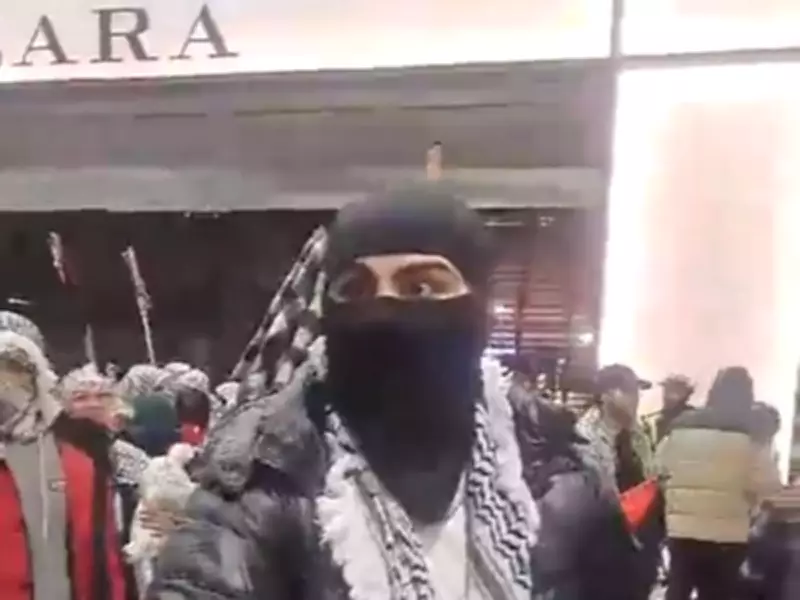
Examination of well-publicized incidents since October 2023 shows charges frequently fail to proceed through the justice system. In December 2023, a 34-year-old man faced charges including unlawful assembly, interfering with property, and assaulting a peace officer during an anti-Israel protest targeting a Zara store at Toronto's Eaton Centre. All charges in this case were ultimately dropped.
Similar outcomes have occurred nationwide:

- In November 2023, the "Indigo 11" protesters vandalized a bookstore location, with only two pleading guilty to mischief and receiving absolute discharges
- Calgary police attempted to charge a protester for chanting "from the river to the sea" with a hate motivation attached, but the Crown declined to proceed
- September 2024 saw charges dropped against three activists harassing then immigration minister Marc Miller's Montreal office
- November 2024 charges against five Ottawa protesters for mischief and obstructing police were all dropped
Political Rhetoric Versus Legal Reality
This pattern unfolds against a backdrop of political statements condemning antisemitism and hate crimes. Ontario Premier Doug Ford declared "antisemitism has no place in our province" following recent attacks on synagogues, while interim federal NDP leader Don Davies stated "hate has no place in Canada."
Prime Minister Mark Carney's recent statement notably avoided such phrasing, instead describing antisemitism as "a fundamental violation of the Canadian way of life." Critics argue that political declarations about hate having "no place" in Canada highlight the gap between rhetoric and the legal system's actual response to incidents.
Enforcement Challenges and Legislative Response
The justice system faces significant challenges in prosecuting protest-related cases. Even when charges are initially laid, they frequently fail to result in convictions or meaningful penalties. This occurs despite new legislation like Bill C-9 on hate speech, which some argue adds little practical enforcement power beyond existing Criminal Code provisions.
The consistent dropping of charges raises questions about whether current laws provide adequate tools for prosecutors or if other factors influence case outcomes. As incidents continue more than two years after Hamas's attack on southern Israel, the disconnect between political condemnation and legal consequences becomes increasingly apparent.
This situation leaves communities affected by protest-related incidents questioning the effectiveness of Canada's response to hate-motivated actions, particularly those connected to international conflicts. The pattern of dropped charges suggests that despite strong political language, the justice system struggles to deliver concrete results in these complex cases.