A South Korean prosecutor has taken the unprecedented step of requesting the death penalty for the country's ousted former president, Yoon Suk Yeol. The request comes as part of a historic trial where Yoon faces grave charges of orchestrating a rebellion.
The Core of the Prosecution's Case
The charges stem from Yoon's controversial declaration of martial law during his tenure. Prosecutors allege this act was a deliberate move to orchestrate a rebellion against the state's constitutional order. The trial, which has captivated the nation, is being held at the Seoul Central District Court.
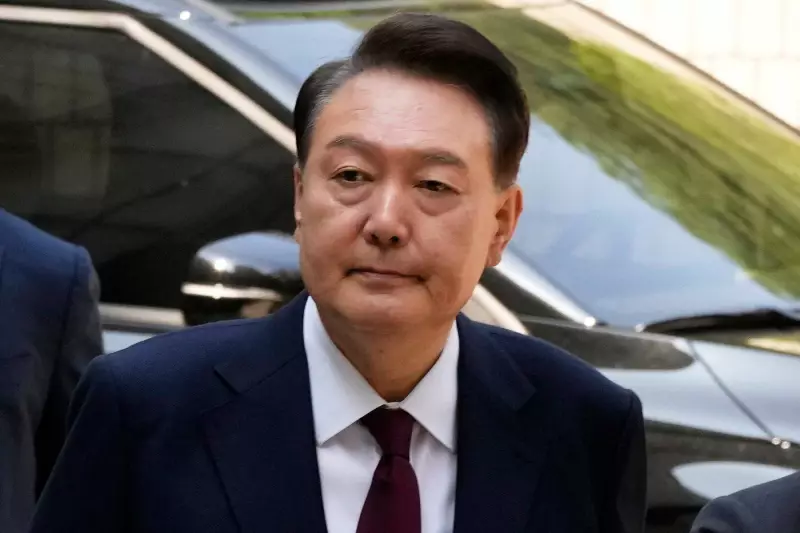
Yoon was seen attending the proceedings on Monday, May 12, 2025, as captured in file photographs. The prosecution's formal request for the ultimate punishment was made public on January 13, 2026, marking a dramatic escalation in the legal battle against the former leader.

A Historic and Severe Legal Demand
The call for a death sentence is exceptionally rare in modern South Korean politics, especially for a former head of state. It underscores the severity with which the prosecution views the allegations of rebellion. The case centers on whether Yoon's imposition of martial law crossed a line from executive authority into seditious conspiracy.
This development follows months of legal arguments and evidence presentation. The court must now weigh the prosecution's demand against the defense's arguments, which likely characterize Yoon's actions as within the lawful powers of the presidency during a perceived crisis.
Implications for South Korea's Political Landscape
The trial and its latest development send shockwaves through South Korea's democratic institutions. It represents a profound moment of accountability, testing the resilience of the nation's judicial system in holding the highest office to account. The outcome will have lasting repercussions for the country's political norms and the limits of presidential power.
Observers note that the case is being closely watched internationally as a benchmark for how democracies prosecute former leaders accused of subverting the very state they led. The final verdict, expected later in 2026, will close a tumultuous chapter in South Korea's recent history.