Significant Drug Interception at Windsor-Detroit Tunnel
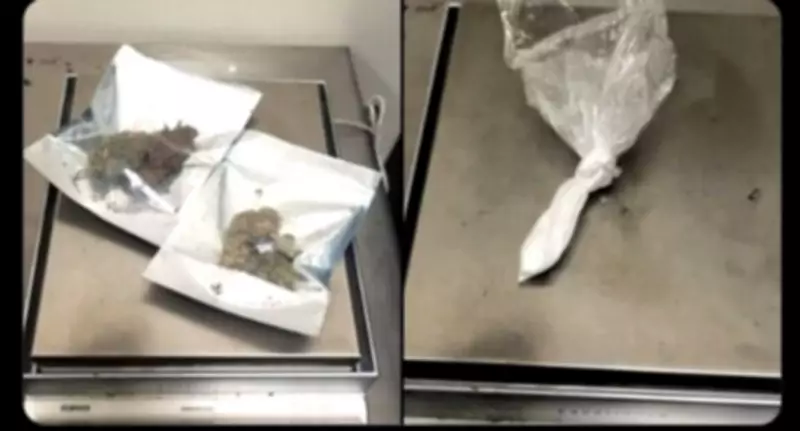
In a major enforcement action, U.S. Customs and Border Protection agents operating at the Windsor-Detroit Tunnel have successfully seized substantial quantities of cocaine and marijuana. The incident, which occurred on March 11, 2026, underscores the continuous vigilance required at one of North America's busiest international crossings.
Details of the Seizure Operation
According to official reports from the U.S. Customs and Border Protection Detroit Field Office, the interception took place during routine screening procedures. While specific quantities of the confiscated substances have not been publicly disclosed, authorities confirmed that both cocaine and marijuana were discovered in a single operation. The seizure represents a significant blow to illicit drug trafficking networks attempting to exploit this critical transportation corridor.
The Windsor-Detroit Tunnel, connecting Windsor, Ontario with Detroit, Michigan, serves as a vital conduit for legitimate trade and travel between Canada and the United States. However, its strategic importance also makes it a target for criminal organizations seeking to move contraband across the international border. This latest seizure demonstrates the effectiveness of layered security measures implemented by border protection agencies.

Broader Context of Border Security
This incident occurs amidst ongoing concerns about cross-border criminal activity and the flow of illicit substances between the two nations. The United States and Canada have maintained close cooperation on border security matters, with particular emphasis on preventing drug trafficking through established ports of entry.
"Every interception at our borders represents a victory for public safety on both sides of the border," a spokesperson for the Detroit Field Office stated. "Our officers remain committed to disrupting criminal networks while facilitating legitimate travel and commerce."
The seizure comes at a time when both countries are grappling with complex drug policy landscapes. While cannabis has been legal for recreational use in Canada since 2018, it remains federally illegal in the United States, creating jurisdictional complexities at border crossings. Cocaine, meanwhile, remains strictly controlled under both nations' drug laws.
Operational Challenges and Successes
Border protection agencies face constant challenges in detecting increasingly sophisticated smuggling attempts. Traffickers employ diverse concealment methods, ranging from hidden vehicle compartments to attempts to transport substances through commercial shipments. Despite these challenges, advanced screening technologies and trained canine units have proven effective in identifying contraband.
The successful operation at the Windsor-Detroit Tunnel highlights several key aspects of modern border security:
- Integration of intelligence-driven operations with routine inspections
- Utilization of advanced scanning and detection equipment
- Coordination between multiple law enforcement agencies
- Continuous training of border protection personnel
While the investigation into this specific seizure remains ongoing, authorities have indicated that follow-up actions may include tracing the origins of the intercepted drugs and identifying potential connections to broader trafficking networks.
Implications for Cross-Border Communities
For residents of the Windsor-Detroit metropolitan area, which functions as a single economic and cultural region despite the international boundary, such seizures reinforce the importance of robust border security measures. Local officials have consistently emphasized the need to balance security concerns with maintaining efficient cross-border movement for the hundreds of thousands of legitimate travelers who use the tunnel annually.
The incident serves as a reminder that despite legal differences between the two countries regarding certain substances, border enforcement remains a shared priority. Both American and Canadian authorities have invested significantly in infrastructure and personnel at this critical crossing point, with this seizure representing a tangible return on those investments.

As border protection agencies continue to adapt to evolving threats, operations like the March 11 interception demonstrate their capacity to intercept dangerous substances before they reach communities on either side of the border. The ongoing collaboration between U.S. and Canadian authorities remains essential to addressing transnational criminal activities that exploit the shared border region.