Owners of firearms now prohibited in Canada are facing a critical deadline to secure potential compensation from the federal government. The window to formally express interest in the buyback program closes on March 31, 2026, according to recent announcements.
Understanding the Compensation Process
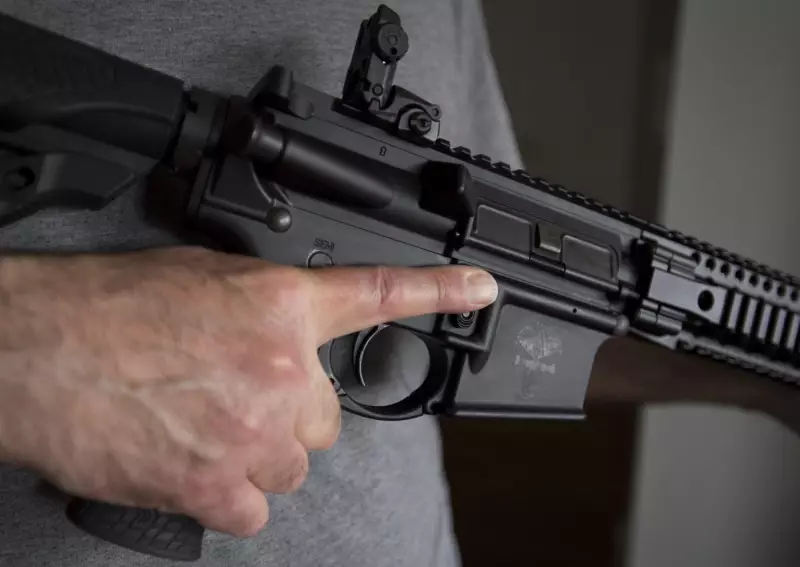
The initiative is part of the government's broader strategy to manage certain models of firearms, including the AR-15, which were banned through legislation in recent years. The process does not automatically issue payments but requires owners to first indicate their intent to participate. This step is crucial for individuals who may wish to surrender their eligible firearms in exchange for compensation, establishing their place in the administrative queue.
Officials have set this expression-of-interest phase to help gauge participation levels and plan for the logistics of the collection and valuation process. It is a preliminary but mandatory step for any licence holder seeking remuneration under the program's rules.

What Firearm Owners Need to Know
The program specifically targets holders of restricted and prohibited firearms as defined by Canadian law. The announcement, made in January 2026, provides a roughly two-and-a-half-month period for owners to respond. Failure to register interest by the deadline could result in exclusion from this compensation pathway, potentially leaving individuals with fewer options for dealing with the now-prohibited items.
While the exact valuation method for individual firearms has been a point of discussion, the government has previously stated that compensation would be based on a fair market value framework. The upcoming steps after March 31 will involve detailed submissions, including proof of ownership and specific model information, to determine final compensation amounts.
Next Steps and Program Implications
This deadline underscores the ongoing implementation of Canada's firearm policy reforms. For gun owners, the immediate task is to navigate the official channels to declare their interest before the clock runs out. For the government, the responses will inform the scale and cost of the buyback operation, which has been a contentious and closely watched element of public safety policy.
Advocacy groups on all sides of the debate are likely to monitor the participation rates closely, as they will serve as a tangible measure of the program's reach and impact. Gun owners with questions are urged to consult official government resources to ensure they understand the requirements and protect their eligibility under the program's terms.