Humanitarian Team Reflects on Approaching Fourth Anniversary of Ukraine War
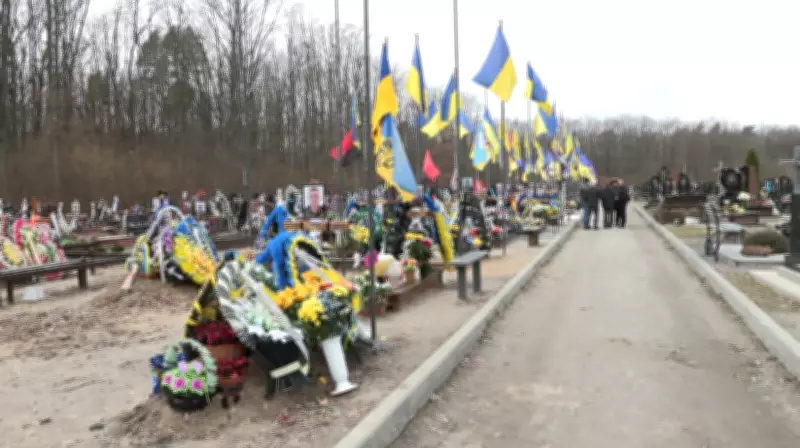
As the fourth anniversary of the war in Ukraine nears, a humanitarian team operating in the region is sharing poignant reflections on the profound and enduring impact of the conflict. The team members, who have been providing critical aid and support since the outbreak of hostilities, describe a situation that continues to exact a heavy toll on both civilians and aid workers alike.
The Emotional and Physical Toll on Aid Workers
The humanitarian team emphasizes that the relentless nature of the war is "wearing on them" emotionally and physically. With years of exposure to trauma, destruction, and loss, many aid workers report symptoms of burnout, stress, and compassion fatigue. The constant demand for emergency services, coupled with limited resources and security risks, has created an environment where resilience is tested daily.
"We've seen communities shattered, families displaced, and lives lost on a scale that is hard to comprehend," one team member noted. "The anniversary marks another year of struggle, and it's a stark reminder of how long this has gone on." The team highlights that while international attention may wane, the needs on the ground remain acute, with millions still requiring food, shelter, medical care, and psychological support.

Ongoing Challenges and Civilian Suffering
Beyond the toll on aid workers, the humanitarian team points to the severe and ongoing challenges faced by Ukrainian civilians. Key issues include:
- Displacement: Millions of people remain internally displaced or have fled the country, with many unable to return home due to ongoing fighting or destroyed infrastructure.
- Healthcare Crisis: Medical facilities are often overwhelmed, with shortages of supplies and personnel, exacerbating conditions for those with chronic illnesses or injuries.
- Economic Hardship: The war has devastated the economy, leading to widespread poverty, unemployment, and food insecurity, particularly in conflict-affected areas.
- Mental Health: Psychological trauma is pervasive, with high rates of anxiety, depression, and post-traumatic stress disorder among both adults and children.
The team also notes that the war has disrupted education, with many schools damaged or closed, leaving a generation of children without consistent schooling. This, combined with the loss of social networks and community cohesion, has long-term implications for recovery and rebuilding.
Reflections on Resilience and Hope
Despite the grim realities, the humanitarian team finds moments of resilience and hope in the communities they serve. They share stories of local volunteers, grassroots initiatives, and international solidarity that continue to make a difference. For example, efforts to restore basic services, provide psychosocial support, and foster economic opportunities are slowly helping some areas stabilize.
"We see incredible strength in the people here," another team member said. "They are rebuilding their lives piece by piece, even amid the chaos. It's a testament to human spirit, but it shouldn't have to be this hard." The team calls for sustained international support, emphasizing that aid is not just about immediate relief but also about long-term recovery and peacebuilding.
As the fourth anniversary approaches, the humanitarian team urges the global community to remember the human cost of the war and to recommit to efforts that address both the urgent needs and the underlying causes of the conflict. They stress that without a political solution and continued assistance, the suffering will only prolong, affecting generations to come.