Murderer Deemed 'Undue Risk' by Parole Board Dies in B.C. Prison
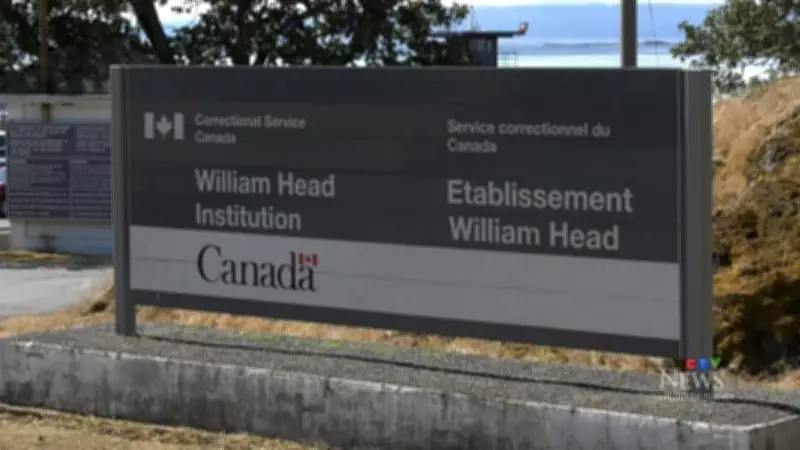
A convicted murderer, who had been formally assessed as an "undue risk" to public safety by the Parole Board of Canada, has died while serving his sentence at a federal correctional facility in British Columbia. The individual was incarcerated at William Head Institution, a minimum-security prison located in Metchosin, B.C., near Victoria.
Parole Board's Risk Assessment
In a significant determination, the parole board had previously concluded that the inmate posed an unacceptable danger to the community, effectively denying any potential for early release. This classification as an "undue risk" is a serious designation, indicating that the board believed the individual was highly likely to reoffend if granted parole. The assessment is based on a thorough review of the inmate's criminal history, behavior in prison, psychological evaluations, and other risk factors.
Circumstances of the Death
The death occurred within the confines of William Head Institution, though specific details regarding the cause, date, and exact circumstances have not been publicly disclosed by correctional authorities at this time. The institution, which houses inmates in a minimum-security setting, is now the subject of an internal investigation, as is standard procedure following any inmate death. Officials have confirmed the incident but are withholding further information pending notification of next of kin and completion of the initial review.

Background and Institutional Context
William Head Institution is known for its focus on rehabilitation programs, including educational and vocational training, but it also manages inmates with varying risk levels. The death of an inmate classified as high-risk raises questions about institutional protocols and monitoring, particularly in a minimum-security environment. This incident adds to ongoing discussions about prison safety, mental health support for inmates, and the effectiveness of parole board assessments in managing dangerous offenders within the correctional system.
Broader Implications
This case highlights the complex challenges faced by the Canadian justice and correctional systems in balancing rehabilitation with public safety. The parole board's prior "undue risk" finding underscores the gravity of the inmate's criminal profile, while his death in custody prompts scrutiny of inmate welfare and institutional oversight. As investigations proceed, stakeholders, including victim advocacy groups and correctional watchdogs, will be closely monitoring the outcomes to ensure accountability and transparency.