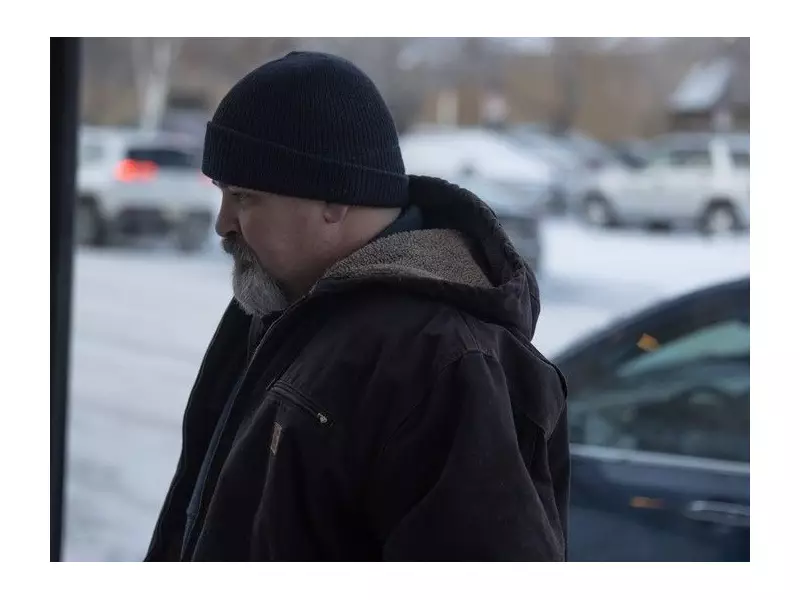
Victims Describe Lasting Trauma from Regina Police Officer's Confidentiality Breach
In a Regina courtroom filled with palpable tension, seven women courageously shared the profound emotional devastation they experienced after discovering that former Regina Police Service officer Robert Semenchuck had entered their lives through deception. Their testimonies painted a vivid picture of betrayal by someone sworn to protect them.
"These Feelings Have Stayed With Me"
"I felt physically sick. I felt foolish, hurt, embarrassed, vulnerable, taken advantage of. These feelings have stayed with me," said Bridgette Cyr, her voice breaking with emotion during her victim impact statement at Regina Provincial Court. The raw vulnerability in her words echoed through the courtroom, capturing the depth of psychological harm inflicted.
Cyr continued, "Robert Semenchuck's presence in my life has affected me deeply on an emotional level." Her testimony represented just one voice among several women who came forward to describe similar experiences of violation and betrayal.

The Breach and Its Consequences
Robert Semenchuck, 53, pleaded guilty in November to breach of trust and unauthorized computer use after accessing an internal police database to obtain confidential information. The 22-year veteran then used this privileged access to pursue personal relationships with multiple women over an extended period.
According to the Regina Police Service, Semenchuck resigned from his position in April 2025 after the service became aware of his misconduct in early 2023. The investigation began when a complainant courageously came forward with information about the officer's inappropriate behavior.
Systematic Deception Uncovered
The agreed statement of facts revealed that Semenchuck had been improperly accessing the RPS internal database for non-work purposes from June 2011 to April 2023—a staggering twelve-year period of privacy violations. Crown prosecutor Chris Browne detailed how Semenchuck used confidential information to contact victims, often initiating conversations through deceptive "wrong text" messages sent under aliases.
"He used this information to contact and form relationships with victims," Browne explained during Friday's proceedings, highlighting the calculated nature of the breaches.
Sentencing Considerations and Victim Impact
Crown and defense presented a joint sentencing submission requesting a conditional sentence of two years less a day to be served on community release, followed by three years of probation. Browne noted this recommendation fell within the median range for such offenses and considered several mitigating factors:
- Semenchuck's guilty plea
- Assessment of low re-offending risk
- Recent mental health diagnoses
Suggested conditions for the proposed sentence include:
- Monitored house arrest during the initial period
- Restrictions on computer and phone use
- Implementation of a curfew
- Continuation of existing no-contact orders with all victims
Judicial Deliberation Continues
Judge Marylynne Beaton reserved her decision until a date in February, acknowledging the need to carefully consider both the factual circumstances of the case and the powerful victim impact statements delivered in court. The women's descriptions of feeling "terrified and betrayed" will undoubtedly weigh heavily in the final sentencing determination.
The case has raised significant questions about police accountability and the protection of confidential information within law enforcement databases. As the legal process continues, the emotional scars described by victims serve as a stark reminder of the human cost when those entrusted with public safety violate that sacred trust.