A man facing charges in connection with the Ryan Wedding case has launched a legal bid to keep the identities of his sureties confidential, citing significant safety concerns.
Legal Motion Filed in Toronto Court
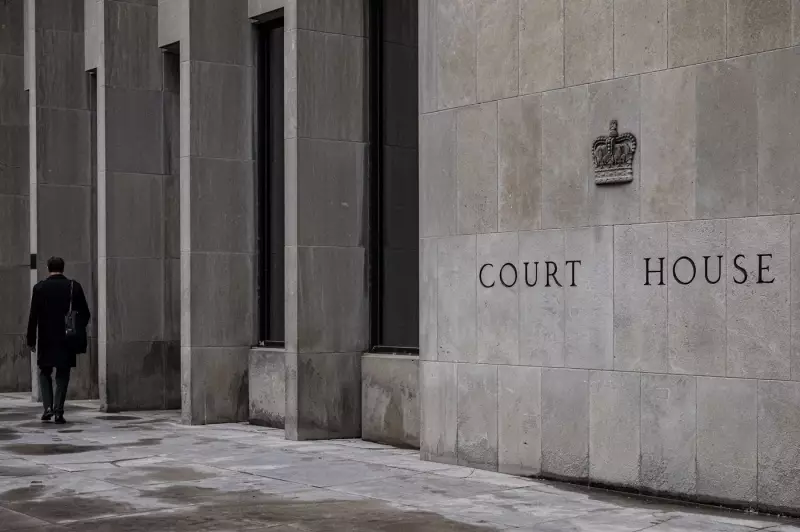
The request was formally submitted to the Ontario Court of Justice at 361 University Avenue in Toronto on Friday, January 9, 2026. The accused's legal team is arguing that publicly revealing the names and personal information of the individuals who have agreed to act as sureties could expose them to harm or harassment.
Sureties play a critical role in the bail process, assuming responsibility for ensuring an accused person complies with their release conditions. The motion suggests that the high-profile and sensitive nature of the Ryan Wedding case creates a unique and elevated risk for anyone publicly associated with the defendant.

The Core Argument: Protection from Harm
The central pillar of the request is the assertion of a genuine safety risk. The court filing contends that the notoriety surrounding the case could lead to retaliation or unwanted attention directed at the sureties and their families. By shielding their identities, the defense aims to protect these individuals from potential intimidation or danger, thereby safeguarding the integrity of the judicial process.
This type of request is not commonplace and requires the court to balance the principles of open court and transparency against legitimate concerns for personal safety. The presiding judge will need to determine if the alleged risks meet the legal threshold necessary to justify an exception to the standard practice of public court records.
Next Steps and Judicial Scrutiny
The Ontario court will now review the motion's merits. Prosecutors will have an opportunity to respond, and the judge may request further submissions or evidence detailing the specific nature of the alleged threats. The decision will set a precedent for how similar concerns are handled in other high-stakes proceedings within the province's justice system.
The outcome of this motion could directly impact the bail conditions for the accused and the willingness of private citizens to act as sureties in sensitive cases moving forward. A ruling is expected after careful consideration of all arguments presented.