The suspect in the brutal 2022 murders of an elderly couple in Abbotsford, British Columbia, had only been in Canada for a matter of weeks, having arrived on a student visa, according to Crown prosecutors. This new detail emerged in court proceedings related to the case that shocked the Fraser Valley community.
A Tragic Discovery in Abbotsford
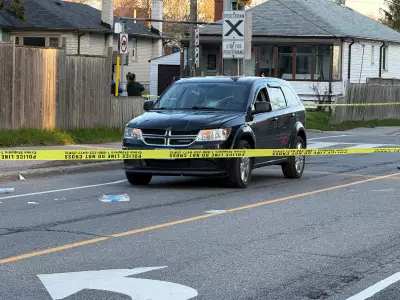
On May 9, 2022, the bodies of 77-year-old Arnold De Jong and his 76-year-old wife, Joanne De Jong, were discovered in their Abbotsford home. The Integrated Homicide Investigation Team (IHIT) was immediately called to the scene to lead what would become a complex and deeply disturbing investigation.
The couple, described by neighbours as kind and private, were victims of a violent crime that left local residents fearful and authorities scrambling for answers. The lack of an immediate arrest only heightened the community's anxiety in the days and weeks that followed the grim discovery.

Suspect's Recent Arrival in Canada
During a recent court appearance, Crown counsel disclosed a critical piece of information about the accused. The individual now facing charges in connection with the double homicide had entered Canada on a student visa merely weeks before the tragic events unfolded.
This revelation adds a significant layer to the ongoing legal case and raises broader questions about background checks and the circumstances surrounding the suspect's entry into the country. The Crown's statement did not specify the suspect's country of origin or the educational institution they were purportedly attending.
Legal Proceedings and Community Impact
The case continues to move through the British Columbia justice system, with the accused remaining in custody. The disclosure by the Crown is part of the pre-trial process, where both the prosecution and defence exchange evidence and information.
For the community of Abbotsford and the victims' loved ones, this new detail is another painful facet of a heartbreaking story. The murders of Arnold and Joanne De Jong represent a profound loss, and the fact that the accused was so newly arrived in Canada has compounded the tragedy for many.
As the judicial process continues, investigators and prosecutors are building their case, relying on forensic evidence, witness statements, and the timeline of events that includes the suspect's recent immigration status. The case underscores the challenging and often unpredictable nature of major crime investigations.