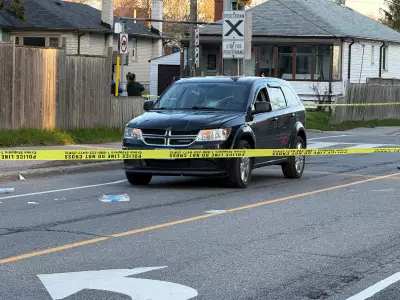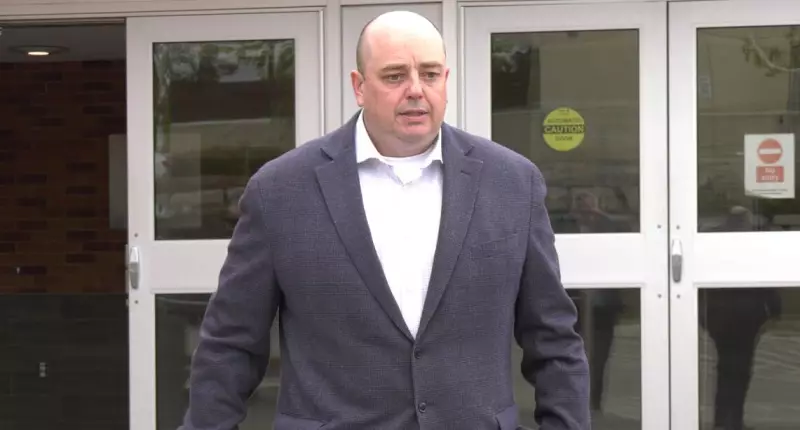
A Barrie man convicted in a deadly crash involving his Tesla has been denied release on bail as he prepares to appeal his conviction. Jefferson Dance, 47, had argued that a mechanical failure in his vehicle, not his impaired state, was responsible for the fatal collision.
Bail Denied Ahead of Appeal Hearing
The decision to keep Jefferson Dance in custody was delivered recently, ahead of his forthcoming appeal process. Dance was found guilty after a trial that centered on the tragic incident which resulted in a loss of life. His legal team's request for bail pending the appeal was rejected by the court, meaning he will remain incarcerated while his appeal is heard.
The core of Dance's defense, and now his appeal, hinges on the claim that a defect in the Tesla's mechanics caused the crash. This argument was presented during his initial trial but was ultimately unsuccessful in convincing the jury of his innocence regarding the impaired driving charges.

The Fatal Crash and Legal Proceedings
The incident occurred in the Barrie, Ontario area. While specific details of the crash's date and location were not reiterated in the latest report, the consequences were severe. The collision led to fatalities, resulting in serious criminal charges against Dance.
During the trial, the Crown prosecution successfully argued that Jefferson Dance's impairment was the primary cause of the disaster. Evidence presented countered the defense's claims of a vehicle malfunction. The conviction underscored the legal responsibility of drivers, regardless of potential vehicle issues, when they choose to operate a vehicle while impaired.
Implications and Next Steps
The denial of bail is a significant setback for Dance's immediate future. It indicates the court's assessment of the case's seriousness and the unlikelihood of success for his appeal. The appeal process will now move forward with Dance in custody, as his legal team prepares to present their arguments to a higher court.
This case highlights the ongoing legal and societal challenges surrounding impaired driving, even as arguments involving advanced vehicle technology become more common. The outcome of the appeal will be closely watched, as it may set precedents for how similar claims are handled in Canadian courts. For now, the families affected await the finality of the judicial process.