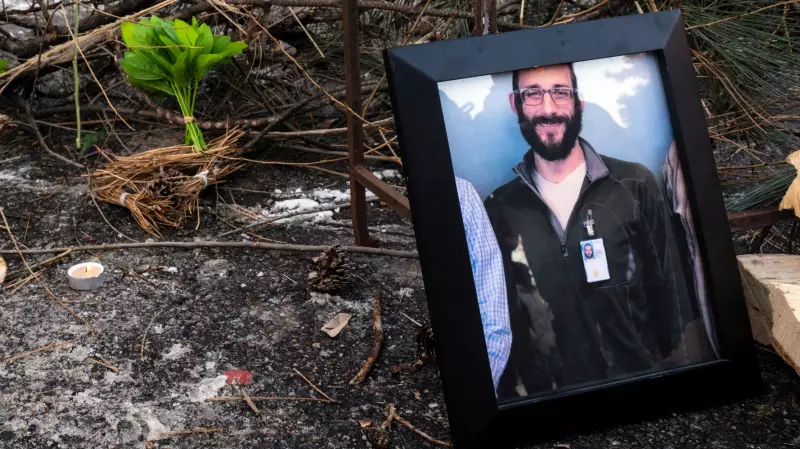
Eyewitness Testimony Contradicts Official Account of Minneapolis Immigration Agent Shooting
Multiple witness accounts filed in federal court directly challenge the Department of Homeland Security's official narrative surrounding a fatal shooting involving federal immigration agents in Minneapolis on Saturday. The sworn affidavits, submitted as part of ongoing litigation, paint a starkly different picture of events that led to the death of 37-year-old ICU nurse Alex Pretti.
Conflicting Accounts of the Fatal Encounter
According to Department of Homeland Security statements, federal officers fired what they described as "defensive shots" at Pretti, claiming he brandished a firearm at officers and "violently resisted" arrest. However, eyewitness testimony tells a different story entirely.
One Minneapolis resident described seeing Pretti directing traffic before agents forced him and two others to the sidewalk and pepper sprayed them. "I don't know why they shot him. He was only helping. I was five feet from him and they just shot him," the witness attested in their sworn statement, which included a recording of the incident.

A second witness, identified as a licensed pediatrician who observed the shooting from their apartment window, stated they saw "absolutely no need for any violence, let alone lethal force by multiple officers."
Medical Professionals Prevented from Providing Aid
The pediatrician witness described attempting to provide medical assistance after the shooting, noting that none of the agents were checking for a pulse or administering CPR as standard practice would dictate. "Normally, I would not have been so persistent, but as a physician, I felt a professional and moral obligation to help this man, especially since none of the agents were helping him," the witness explained.
This experience mirrors that of another physician who was reportedly prevented from providing aid to Renee Good, who was shot and killed by Immigration and Customs Enforcement agents in Minneapolis on January 7. In both cases, medical professionals faced obstacles when attempting to render assistance to shooting victims.
When finally allowed to approach Pretti, the physician found the victim had sustained at least four gunshot wounds and showed no pulse. They initiated CPR before emergency medical services arrived to take over treatment.
Legal Firearm Ownership and Witness Intimidation Concerns
Court documents confirm that Pretti, a licensed gun owner, had a holstered firearm on his person at the time of the incident, in full compliance with Minnesota's open carry laws. This detail contradicts DHS claims that Pretti was brandishing a weapon at officers.
Both witnesses expressed fear about returning to their residences following the shooting. The bystander who recorded the incident stated they feared agents would arrest them, noting that this had reportedly happened to other witnesses. "I don't know what the agents will do when they find me," their statement read. "I do know that they're not telling the truth about what happened."
Broader Context and Political Fallout
This incident marks the second fatal shooting of a civilian during what Minnesota Governor Tim Walz has described as a "sweeping immigration crackdown" in Minneapolis. The shooting has sparked renewed protests and drawn sharp criticism from state officials, coming less than three weeks after the fatal shooting of Renee Good by an ICE officer.
The affidavits were filed as part of a lawsuit asking an appeals court to reinstate an order barring immigration forces from retaliating against protesters in Minneapolis. The legal action highlights growing tensions between federal immigration enforcement operations and local communities, with witness testimony now challenging official accounts of use-of-force incidents.