Calgary Playgrounds at Risk of Widespread Closure by 2036 Due to Inadequate Funding
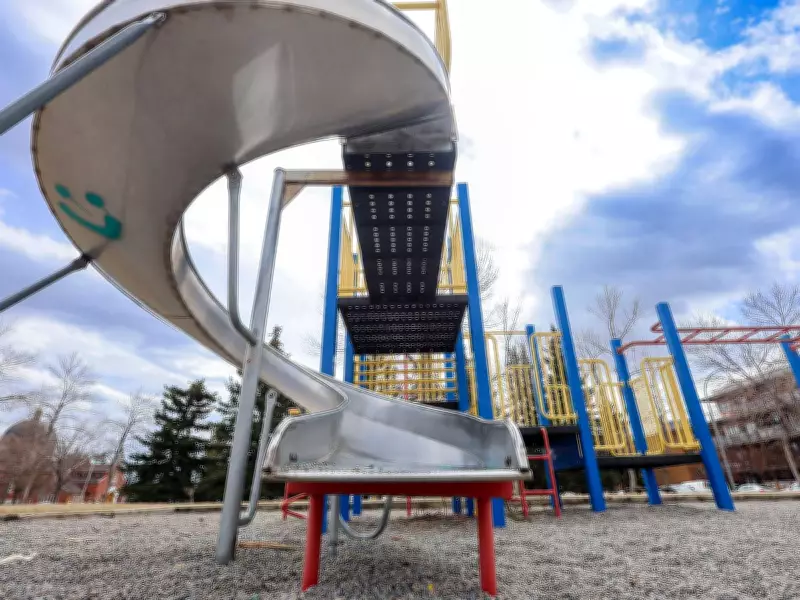
A stark new report to Calgary city council reveals that up to 82 percent of the city's aging playgrounds could be decommissioned within the next decade if maintenance funding is not significantly increased. Mayor Jeromy Farkas has labeled the current financial situation an 'existential threat' to these vital community assets, highlighting the urgent need for action.
Critical Infrastructure Deficit Threatens Play Spaces
The report, set for presentation to the infrastructure and planning committee, indicates that 54 percent of Calgary's playgrounds are over 20 years old, nearing the end of their typical 25-year lifespan. As these structures age, safety risks escalate, equipment failures become more frequent, and replacement parts grow scarce, making closures inevitable. The city's parks and open spaces department currently manages 1,172 playgrounds, a number that has surged by 25 percent in the past decade to approximately five playgrounds per 1,000 children.
Projected Closures and Funding Shortfalls
Without changes to funding levels, the report projects that around 960 playgrounds—representing 82 percent of the existing network—will close by 2036. This decline is attributed to a significant infrastructure deficit and rapid service deterioration under current investment rates. The department's capital budget for playgrounds stands at $1.2 million, with an operating budget of $700,000 for maintenance and repairs, historically allowing for the renewal of 10 to 12 playgrounds annually.

However, this funding has failed to keep pace with inflation and urban growth. The city argues that current levels support less than 20 percent of required renewals, with annual renewals dropping to six to eight sites in 2026 due to inflationary pressures. More than half of the playgrounds, while currently in fair condition, are expected to see declining ratings and increased safety risks as they age, leading to a high failure rate by 2036.
Proposed Solutions and Budget Increases
To address this crisis, the parks and open spaces business unit is requesting an annual capital budget increase of $19 million and an operating budget boost of $1.5 million. This additional funding aims to extend the lifespan of existing playgrounds through enhanced maintenance, repair work, and management of upcoming renewal projects. The report outlines three alternative funding levels for committee consideration, emphasizing the need for immediate investment to prevent widespread closures and preserve these essential recreational spaces for future generations.