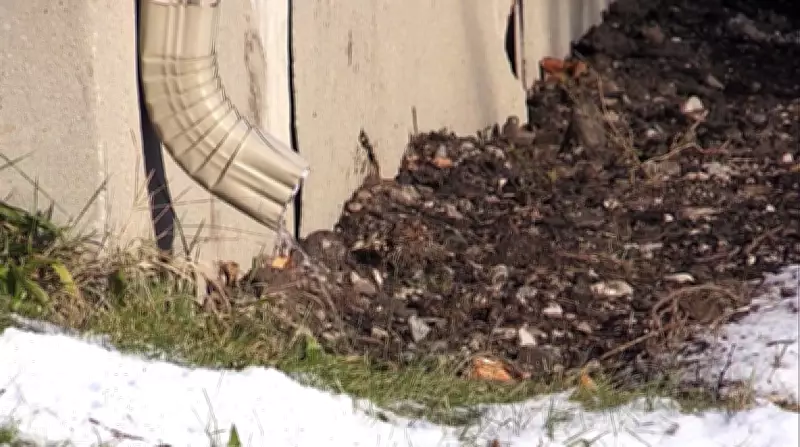
London Committee Opposes Mandatory Weeping Tile Disconnection for Older Properties
A municipal committee in London, Ontario, has declined to support a proposal that would have required homeowners to disconnect weeping tile systems when purchasing older properties. This decision comes amid concerns about the significant financial burden such a mandate would impose on residents, particularly those acquiring homes in established neighborhoods.
Financial Concerns Drive Committee Decision
The committee's rejection centers on the high costs associated with weeping tile disconnection projects. Weeping tiles, which are underground drainage systems designed to redirect water away from a home's foundation, are common in many older London residences. Mandating their removal or disconnection during property transfers could add thousands of dollars to homebuying expenses, potentially pricing out some buyers and disrupting the local real estate market.
Committee members emphasized that while proper water management is important for preventing basement flooding and structural damage, a blanket requirement is not the most equitable solution. They noted that many homeowners might lack the resources to undertake such extensive renovations, especially if they are already facing other moving-related costs.

Alternative Approaches to Water Management
Instead of enforcing mandatory disconnections, the committee is advocating for more flexible and supportive measures. These could include:
- Enhanced public education campaigns about weeping tile maintenance and alternative drainage options.
- Financial assistance programs or rebates for homeowners who voluntarily choose to upgrade their systems.
- Revised building codes for new constructions, while grandfathering existing older homes.
- Promoting the use of modern, cost-effective drainage technologies that can complement or replace traditional weeping tiles.
The committee's stance reflects a broader trend in municipal governance toward balancing environmental and infrastructure needs with affordability concerns for residents. By rejecting a one-size-fits-all mandate, London officials aim to protect homeowners from unexpected financial strain while still addressing water management issues through more targeted strategies.
Implications for Homeowners and Buyers
For current and prospective homeowners in London, this decision means that weeping tile disconnection will remain a voluntary choice rather than a legal requirement during property transactions. However, experts recommend that buyers of older homes still conduct thorough inspections of drainage systems to assess their condition and potential risks.
Properly functioning weeping tiles can be crucial for preventing moisture-related problems like mold growth, foundation cracks, and basement leaks. Homeowners are encouraged to consult with professionals to evaluate their specific needs and explore options that fit their budgets and property characteristics.
The committee's move may also influence similar discussions in other municipalities facing aging infrastructure challenges, setting a precedent for prioritizing homeowner affordability in urban policy decisions.