Ottawa City Council Finalizes Settlement for 2016 Rideau Street Sinkhole
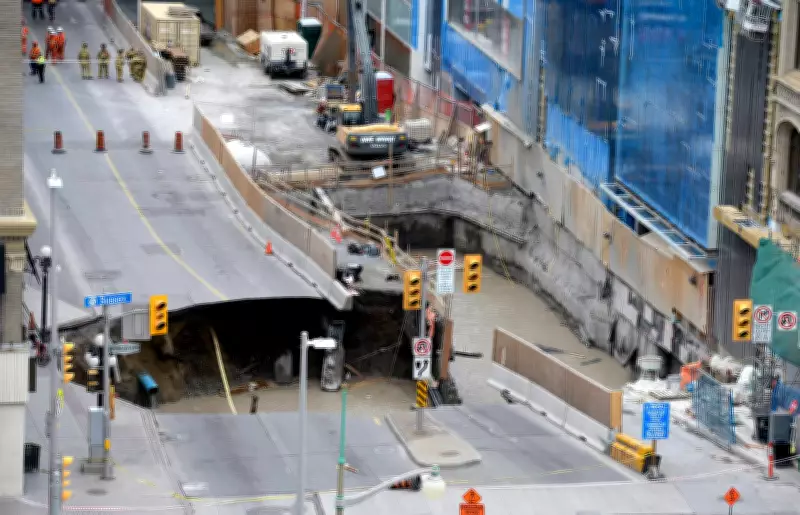
The Ottawa City Council has officially approved a financial settlement related to the major sinkhole that opened on Rideau Street in June 2016. This decision marks a significant step in resolving the legal and financial aftermath of the infrastructure failure that caused extensive disruption in the downtown core.
Details of the Settlement Agreement
While the exact financial terms of the settlement remain confidential, sources indicate it involves compensation for damages incurred by the city and affected parties. The sinkhole, which measured approximately 40 meters long and 30 meters wide, appeared suddenly next to the Rideau Centre mall, swallowing part of the roadway and exposing underlying utilities.
The incident forced the closure of Rideau Street for several months while emergency repairs were conducted. Critical infrastructure including water mains, sewer lines, and electrical conduits were severely damaged, requiring extensive reconstruction that impacted local businesses and transportation networks throughout the area.

Long-Term Impacts and Infrastructure Concerns
This settlement brings closure to one of Ottawa's most notable infrastructure failures in recent years. The 2016 sinkhole exposed vulnerabilities in the city's aging underground systems and prompted renewed investment in infrastructure assessment and maintenance programs.
City engineers determined that the collapse resulted from a combination of factors including:
- Deterioration of century-old underground infrastructure
- Water infiltration weakening soil stability
- Pressure from ongoing construction in the area
The repair project ultimately cost tens of millions of dollars and involved complex engineering solutions to stabilize the area and prevent future collapses.
Broader Implications for Urban Infrastructure
This settlement approval comes as municipalities across Canada grapple with aging infrastructure challenges. The Rideau Street sinkhole served as a wake-up call for many cities regarding the hidden risks beneath their streets.
Ottawa has since implemented more rigorous monitoring of underground infrastructure and increased funding for preventative maintenance programs. The settlement resolution allows the city to move forward while acknowledging the significant disruption caused to residents, businesses, and commuters during the extended repair period.
The council's decision represents the final administrative step in addressing this high-profile incident, though the memory of the massive hole in one of Ottawa's busiest streets continues to inform infrastructure planning and emergency preparedness protocols throughout the municipal government.