Ottawa's Bubble Zone Bylaw: How It Stacks Up Against Other Urban Centers
In recent years, Ottawa has implemented a bubble zone bylaw aimed at regulating protests and demonstrations near sensitive locations such as schools and healthcare facilities. This measure, designed to maintain public order and safety, raises questions about how it compares to similar regulations in other cities across Canada and internationally. As urban areas grapple with balancing free speech rights and community protection, a comparative analysis reveals both similarities and distinct approaches in bylaw design and enforcement.
Key Features of Ottawa's Bylaw
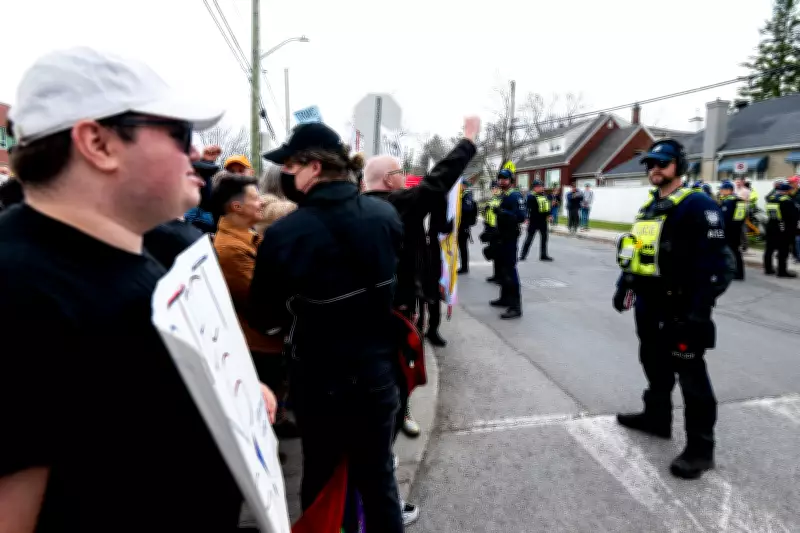
Ottawa's bubble zone bylaw establishes specific boundaries where protests are restricted, particularly in areas like Notre Dame and Nepean High Schools, as seen in past demonstrations. The bylaw typically prohibits activities such as loud demonstrations or obstructive picketing within a set distance from these sites, often enforced by police lines to prevent conflicts. This approach aims to shield vulnerable populations, including students and patients, from potential harassment or disruption while allowing lawful assembly in designated zones.
Comparison with Other Canadian Cities
When compared to other Canadian cities, Ottawa's bylaw shares common goals but varies in scope and implementation. For instance, Toronto and Vancouver have similar bubble zone regulations near schools and hospitals, but they may differ in the exact distances defined or the types of activities restricted. In some cases, cities like Montreal have adopted more flexible frameworks that allow for temporary adjustments during large events, whereas Ottawa's bylaw tends to be more static. Enforcement levels also differ, with some municipalities relying heavily on police presence, while others incorporate community mediation to de-escalate tensions.

International Perspectives and Effectiveness
Globally, cities in countries like the United States and the United Kingdom have implemented bubble zone laws with varying degrees of success. For example, certain U.S. cities use these bylaws primarily around abortion clinics, focusing on protecting access to healthcare, whereas Ottawa's application is broader, covering educational institutions. Studies suggest that effectiveness often hinges on consistent enforcement and public awareness, with cities that invest in education and outreach seeing higher compliance rates. However, challenges remain, such as balancing civil liberties with safety concerns, a debate that continues to evolve in urban policy discussions.
Implications for Future Urban Policy
The comparative analysis of Ottawa's bubble zone bylaw highlights the need for ongoing evaluation and adaptation. As cities face increasing protests and social movements, tailoring bylaws to local contexts while learning from others' experiences can enhance public safety without stifling democratic expression. Future policies may benefit from incorporating feedback from stakeholders, including law enforcement, community groups, and legal experts, to ensure regulations are both practical and fair.