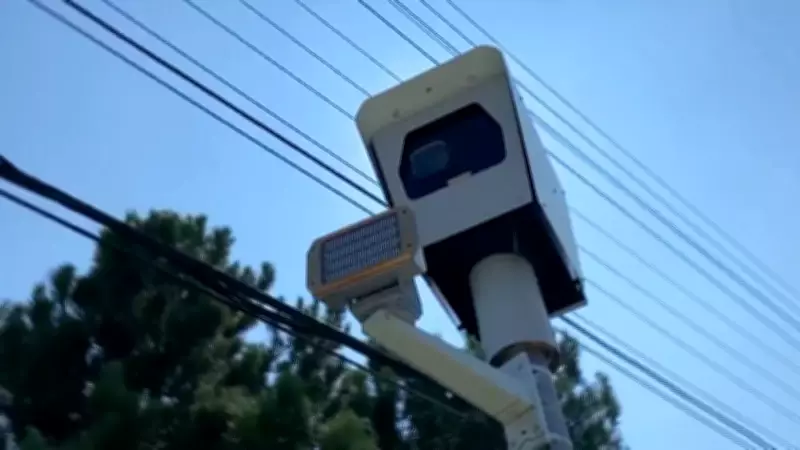
Ottawa Data Reveals Alarming Rise in Speeding Within School Zones Following Camera Deactivation
According to recently released data from the City of Ottawa, there has been a notable and concerning increase in the number of drivers exceeding speed limits in school zones since the photo radar cameras were turned off. This trend has sparked significant public safety discussions, particularly regarding the protection of vulnerable pedestrians, including children commuting to and from educational institutions.
Detailed Analysis of Traffic Patterns Post-Camera Removal
The municipal data, which was compiled and analyzed over several months, indicates a sharp uptick in speeding violations recorded in areas previously monitored by automated photo radar systems. These zones, specifically designated to ensure slower vehicle speeds during school hours, have seen a regression in compliance with traffic laws. Officials point to the absence of the cameras as a primary factor, suggesting that the deterrent effect provided by the technology has diminished.
This development raises urgent questions about pedestrian safety, especially in light of recent incidents such as a fatal pedestrian strike in Mississauga, which, while not directly linked, underscores the broader risks associated with speeding in urban areas. The data highlights a correlation between the removal of enforcement tools and increased risky driving behaviors, prompting calls for a reevaluation of traffic management strategies.

Community and Municipal Responses to the Safety Concerns
Local residents and safety advocates have expressed alarm over the findings, emphasizing that school zones require consistent enforcement to protect children and other pedestrians. The surge in speeding incidents is not just a statistical anomaly but a tangible threat to community well-being, according to several neighborhood associations. They argue that proactive measures, including potential reinstatement of cameras or enhanced police patrols, are necessary to curb this dangerous trend.
In response, city officials have acknowledged the data and are reportedly reviewing options to address the issue. This may involve policy adjustments or investments in alternative safety technologies. The situation in Ottawa mirrors broader national conversations about traffic enforcement, as seen in discussions around federal gas tax suspensions and other transportation policies affecting driver behavior.
Broader Implications for Urban Traffic Management
The Ottawa case study offers valuable insights into the effectiveness of automated enforcement systems. Key points include:
- Photo radar cameras serve as a critical deterrent, reducing speeding rates by creating a perception of constant monitoring.
- Their removal can lead to a rapid decline in compliance, suggesting that driver behavior is heavily influenced by enforcement presence.
- Alternative strategies, such as increased signage or community awareness campaigns, may need to be bolstered to compensate for the loss of technological enforcement.
As cities across Canada grapple with similar challenges, the Ottawa data provides a cautionary tale about the importance of sustained traffic safety initiatives. Ensuring the security of school zones remains a priority, requiring a balanced approach that combines technology, regulation, and public education to foster safer driving habits.