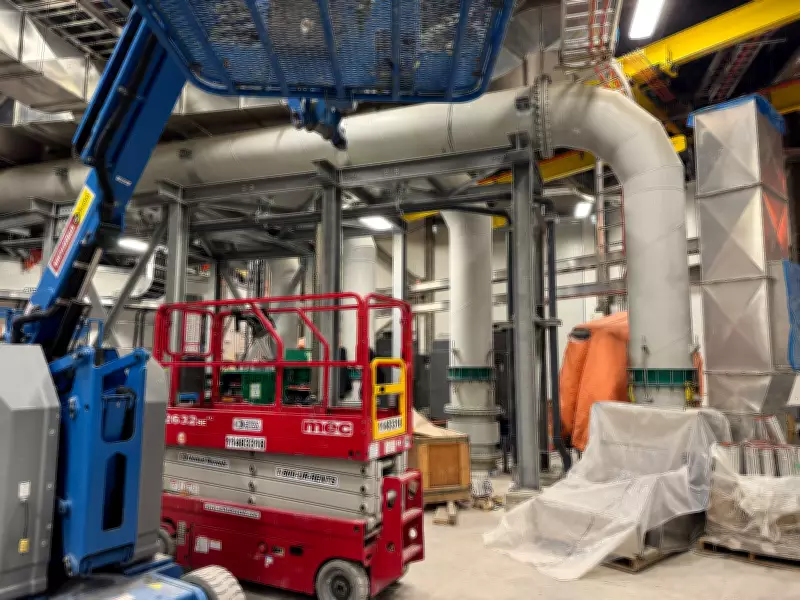
Strait of Hormuz Closure Identified as Risk for Winnipeg Sewage Plant Project
A potential closure of the Strait of Hormuz has been identified as a critical risk factor for the ongoing Winnipeg North End Wastewater Treatment Plant project, according to recent assessments. This strategic maritime chokepoint, located between the Persian Gulf and the Gulf of Oman, is a vital conduit for global oil shipments and industrial materials.
Global Supply Chain Vulnerabilities
The identification of this risk underscores the interconnected nature of modern infrastructure projects with international trade routes. A closure, whether due to geopolitical tensions, military conflicts, or environmental disasters, could disrupt the supply of essential components and materials required for the plant's construction and operation.
Such an event would likely lead to:

- Delays in project timelines due to material shortages.
- Increased costs from alternative sourcing and logistics.
- Potential compromises in construction quality if substitutes are used.
Project Context and Funding
Premier Wab Kinew has previously emphasized that Budget 2020 included dedicated funding for the Winnipeg North End Wastewater Treatment Plant. This project is crucial for upgrading the city's aging sewage infrastructure, improving environmental protection, and meeting regulatory standards for wastewater management.
The risk assessment highlights the need for robust contingency planning to mitigate potential disruptions. Project managers are reportedly exploring strategies such as diversifying supply chains, stockpiling critical materials, and identifying alternative suppliers not reliant on the Strait of Hormuz route.
Broader Implications
This situation reflects a growing awareness among municipal and provincial authorities of how global geopolitical events can impact local infrastructure initiatives. Similar projects across Canada and internationally may face analogous risks, prompting a reevaluation of risk management frameworks to include international trade dependencies.
Experts suggest that proactive measures, including enhanced monitoring of global trade flows and strategic partnerships with multiple suppliers, are essential to safeguard critical infrastructure projects from unforeseen global disruptions.