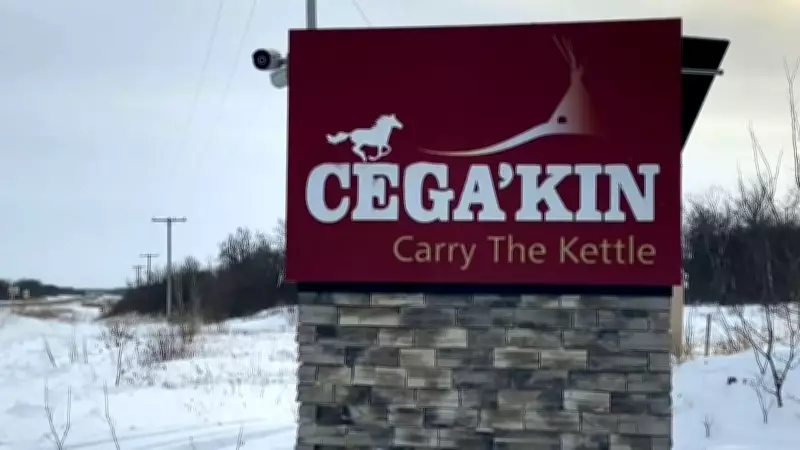
A teenager has entered a guilty plea in connection with the killing of Drew Jack on the Carry the Kettle Nakoda Nation, according to court records. The plea was entered on April 28, 2026, bringing a measure of closure to a case that has deeply affected the community.
Details of the Case
The accused, whose identity has not been disclosed due to their age, appeared in court and admitted to charges related to the death of Jack. The incident occurred on the Carry the Kettle Nakoda Nation, a First Nations reserve in Saskatchewan. The exact circumstances surrounding the killing have not been fully detailed in public documents, but the guilty plea marks a pivotal step in the legal process.
Drew Jack's family and community members have been seeking justice since the incident. The plea may spare them a lengthy trial, though sentencing proceedings are expected to follow. Legal experts note that the youth criminal justice system will likely factor into the sentencing, given the defendant's age.

Community Impact
The Carry the Kettle Nakoda Nation has been in mourning since Jack's death. Community leaders have called for healing and reconciliation, emphasizing the need to address underlying issues that contribute to violence among youth. The guilty plea may provide some solace, but many residents stress that broader social challenges remain.
This case has also drawn attention to the prevalence of violence in Indigenous communities across Canada. Advocates argue that systemic factors, including poverty and lack of resources, often play a role in such tragedies. They urge governments to invest in prevention and support programs.
Legal Proceedings
The teen's guilty plea was entered in a Saskatchewan court. The Crown prosecutor outlined the evidence, which the defense did not contest. Sentencing has been adjourned to a later date, allowing for a pre-sentence report and victim impact statements. The maximum penalty for the charge will depend on the specific offense, but youth sentences typically emphasize rehabilitation over punishment.
Defense counsel indicated that the teen accepts responsibility for their actions and is prepared to face the consequences. The court has ordered a psychological assessment to inform the sentencing decision.
Broader Context
This incident is part of a troubling pattern of violence affecting Indigenous youth. According to Statistics Canada, homicide rates in Indigenous communities are disproportionately high. Experts attribute this to historical trauma, socioeconomic disparities, and limited access to justice. The guilty plea in this case may prompt renewed calls for action.
As the community awaits sentencing, support services are being offered to those affected. The court has encouraged members of the public to respect the legal process and the privacy of those involved.