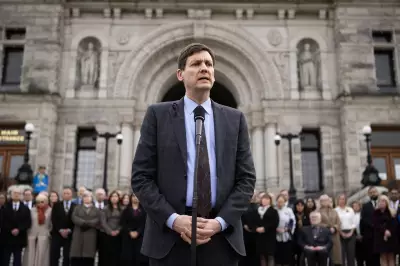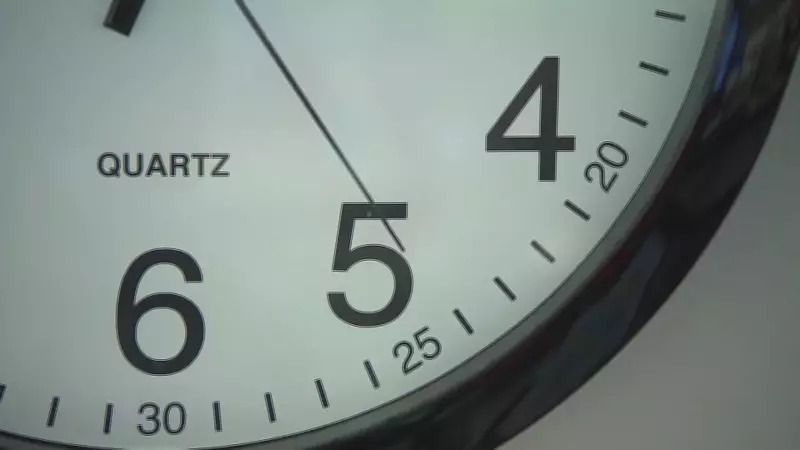
Manitoba Premier Wab Kinew has hinted that the province may be ready to stop changing its clocks twice a year, suggesting that the long-standing debate over daylight saving time could soon come to an end. In a recent statement, Kinew said, 'I think that day has passed,' referring to the idea that Manitoba should continue observing the time change.
Public Sentiment on Time Change
The premier acknowledged that many Manitobans are tired of the biannual clock adjustments, which have been linked to health issues, disrupted sleep, and reduced productivity. Public consultations have shown strong support for abolishing the practice, with many residents favoring permanent standard time or permanent daylight saving time.
Legislative Possibilities
Kinew noted that while the provincial government has the authority to end the time change, coordination with neighboring jurisdictions and the federal government would be necessary to avoid confusion. He emphasized that any decision would be made after thorough analysis and public input.

The comments come as other Canadian provinces, including British Columbia and Ontario, have also considered ending the time change. However, progress has been slow due to the need for cross-border alignment, particularly with U.S. states that observe daylight saving time.
Health and Economic Impacts
Studies have shown that the spring forward and fall back transitions can increase the risk of heart attacks, strokes, and workplace accidents. Businesses have also reported losses in productivity during the adjustment periods. Ending the time change could lead to improved well-being and economic benefits for Manitobans.
Kinew's remarks signal a potential shift in policy, but no timeline has been set for legislation. The premier said his government will continue to engage with stakeholders and the public before making a final decision.