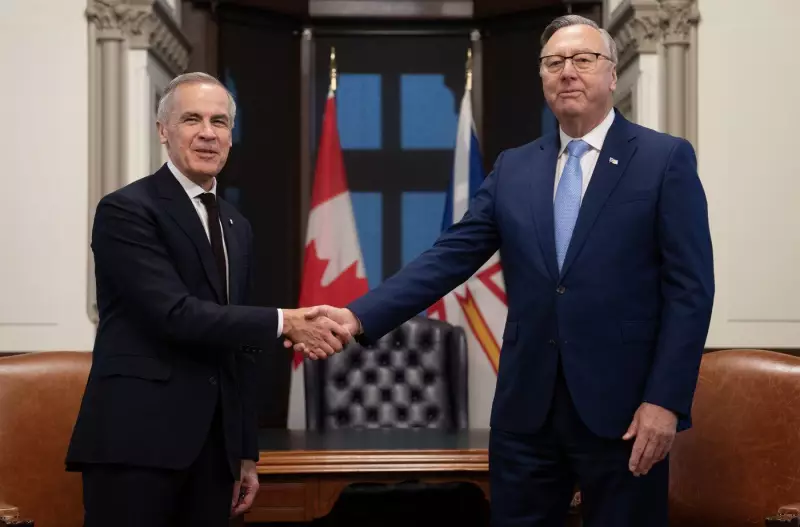
Newfoundland and Labrador Declines Federal Firearm Buyback, Advocates for Crime-Focused Spending
The Government of Newfoundland and Labrador has made a definitive decision regarding a contentious federal initiative. Premier Tony Wakeham has confirmed that the province will not participate in the national firearm buyback program championed by Prime Minister Mark Carney's administration. This announcement positions Newfoundland and Labrador as a dissenting voice on a key federal public safety policy.
Diverting Resources to Direct Crime Reduction
In a statement outlining the province's position, officials argued that the substantial financial resources required for the buyback would be far more effectively utilized elsewhere. The core of their rationale centers on a belief in proactive investment over a reactive program. Provincial leadership contends that taxpayer dollars allocated for purchasing firearms from citizens would yield a greater public safety return if channeled into programs and enforcement strategies designed to prevent criminal activity at its source.
This approach suggests a preference for funding initiatives such as:

- Enhanced community policing and frontline law enforcement.
- Social programs targeting the root causes of violence and property crime.
- Support services for mental health and addiction, which are often intertwined with criminal behavior.
- Investments in intelligence-led policing to disrupt organized crime networks.
A Stance on Provincial Autonomy and Policy Efficacy
The decision underscores a broader debate about the division of powers and policy effectiveness in Canada. By opting out, Newfoundland and Labrador is exercising its provincial authority over matters of local policing and community safety. The move signals a belief that a one-size-fits-all federal program may not address the specific public safety dynamics and priorities within the province. It reflects a perspective that combating crime requires nuanced, locally-informed strategies rather than a blanket national measure focused on firearm collection.
This development occurs against a backdrop of ongoing discussions between federal and provincial leaders, as evidenced by recent meetings between Prime Minister Carney and Premier Wakeham. The province's stance is likely to influence the national conversation on gun control, resource allocation for public safety, and the balance between federal mandates and provincial implementation.