Nova Scotia Legislature Implements New Security Measures Limiting Public Access
In a significant move to bolster security protocols, Nova Scotia's legislative assembly has implemented new restrictions on public access within the provincial legislature building. House Speaker Danielle Barkhouse announced these measures, which are designed specifically to enhance the safety of Members of the Legislative Assembly (MLAs) and ensure the secure functioning of parliamentary proceedings.
Enhanced Security Protocols for Legislative Operations
The decision to restrict public access comes as part of a comprehensive review of security arrangements within Province House, the historic building that houses Nova Scotia's legislature. Speaker Barkhouse emphasized that these measures are not intended to diminish transparency or public engagement but rather to create a safer environment for elected officials and staff who work within the legislative complex.
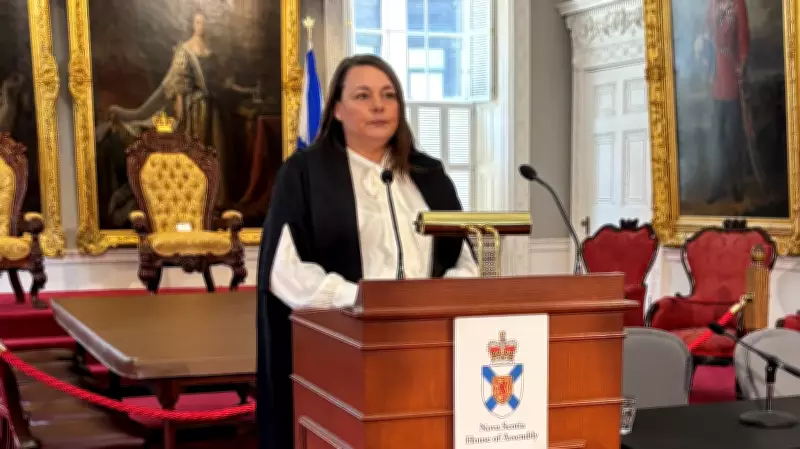
"Our primary responsibility is to ensure that MLAs can perform their democratic duties in a secure setting," Barkhouse stated during discussions with reporters inside the Red Chambers. "These adjustments to public access protocols represent a balanced approach that maintains public accountability while prioritizing safety."

Specific Changes to Public Access Policies
The new security measures include several specific changes to how the public can interact with the legislative building:
- Revised entry procedures for visitors requiring enhanced screening
- Restricted access to certain areas of the building during legislative sessions
- Modified public gallery viewing protocols with additional security presence
- Enhanced coordination between legislative security and local law enforcement
These changes follow similar security enhancements implemented in other provincial and federal legislative buildings across Canada in recent years. The Speaker's office has indicated that the measures were developed in consultation with security experts and reflect current best practices for protecting democratic institutions.
Balancing Security with Public Accessibility
While implementing these restrictions, legislative officials have emphasized their commitment to maintaining public access to the democratic process. The measures specifically target areas of potential security concern while preserving opportunities for public observation and participation in legislative proceedings.
"Nova Scotians have a right to witness their democracy in action," Barkhouse noted. "These security enhancements are designed to protect that very democracy by ensuring our elected representatives can work without security concerns that might otherwise distract from their important legislative responsibilities."
The Speaker's office has committed to regular reviews of these security protocols to ensure they remain both effective and proportionate to actual security needs. Public feedback mechanisms will remain available, and adjustments may be made based on evolving security assessments and public accessibility requirements.
These security enhancements come at a time when legislative bodies across Canada are increasingly focused on protecting elected officials while maintaining the openness that characterizes Canadian democracy. The Nova Scotia measures represent a carefully calibrated approach to this complex challenge, seeking to protect both people and democratic principles in equal measure.