Ontario Moves to Designate Billy Bishop Airport as Special Economic Zone
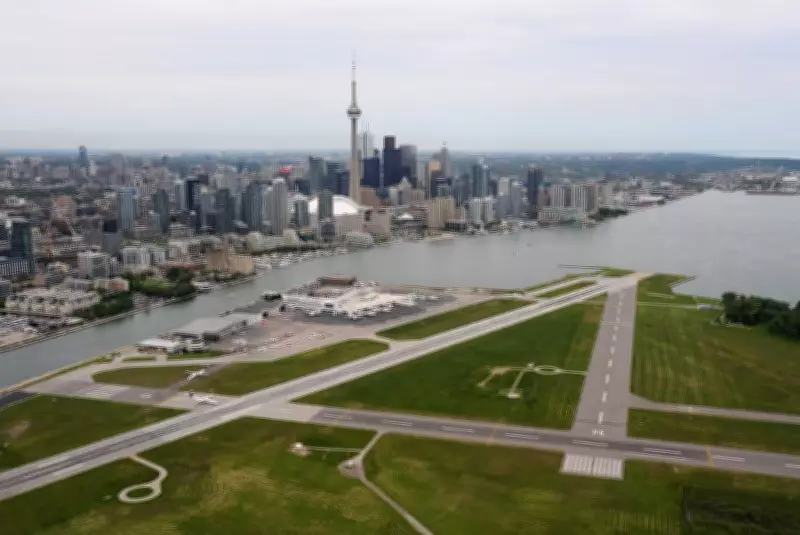
In a significant move to accelerate infrastructure development, the province of Ontario will declare Billy Bishop Toronto City Airport a special economic zone, Premier Doug Ford announced on Monday. This designation is part of a broader push to expand the island airport, with the goal of relieving congestion at Pearson International Airport and boosting economic growth in the region.
Expanding Airport Capacity and Access
The special economic zone status will empower the province to override existing provincial or municipal laws, enabling larger jets to land at Billy Bishop Airport. Currently, large jets are not explicitly banned from using the airport, but they typically avoid it due to limitations such as runway size and stringent noise-reduction standards. By removing these barriers, Ontario aims to unlock the airport's full potential, offering cheaper flight options, more routes, and enhanced convenience for travelers.
"We're unlocking Billy Bishop Airport's full potential by expanding the airport so we can bring cheaper flight options, more routes, and more convenience to the millions of people from across Ontario who use this airport every year," Premier Ford stated. He emphasized that this upgrade will position Toronto and Ontario to compete with world-class cities globally, supporting tourism and business travel while creating thousands of new jobs for Ontario workers.

Provincial Takeover and Legislative Framework
The province plans to utilize Bill 5, a special economic zone provision passed last year, to take over the island airport. This legislation allows for development to proceed without being hindered by provincial and municipal red tape, streamlining the expansion process. Earlier this month, Ford revealed intentions to acquire the City of Toronto's stake in the airport, which comprises approximately 20% of the land on which the airport is located. This move has sparked criticism from some city council members, including Mayor Olivia Chow and Councillor Ausma Malik.
Political Opposition and Economic Justification
Ford dismissed opponents of the airport expansion as "lefties" who, in his view, are disinterested in job creation, economic development, and improving convenience for Toronto residents. "They don't want to create more jobs. They don't want to create economic development, they don't want to create a competitive environment and convenience for the people of Toronto," Ford remarked. He argued that the airport serves not only Toronto but also the broader populations of Ontario and Canada, justifying the provincial takeover.
Supporting this initiative, Minister of Transportation Prabmeet Sarkaria highlighted Ontario's projected population growth, expected to exceed 20.5 million by 2051. "It's critical that we build the infrastructure needed to support that growth and keep people and goods moving," Sarkaria added, underscoring the necessity of the expansion to accommodate future demands.
Implications for Toronto and Beyond
The declaration of Billy Bishop Airport as a special economic zone marks a pivotal step in Ontario's infrastructure strategy. By facilitating the landing of larger jets and expanding the facility, the province aims to enhance regional connectivity, stimulate economic activity, and address the logistical challenges posed by a growing population. This development is poised to reshape air travel in the Greater Toronto Area, offering new opportunities for businesses and travelers alike.