The Quebec government has unveiled a series of strategic measures with the ambitious goal of reducing infrastructure spending by 15 percent. This initiative, announced on November 25, 2025, aims to optimize the use of public funds while maintaining the quality and scope of essential public works.
A New Fiscal Mandate
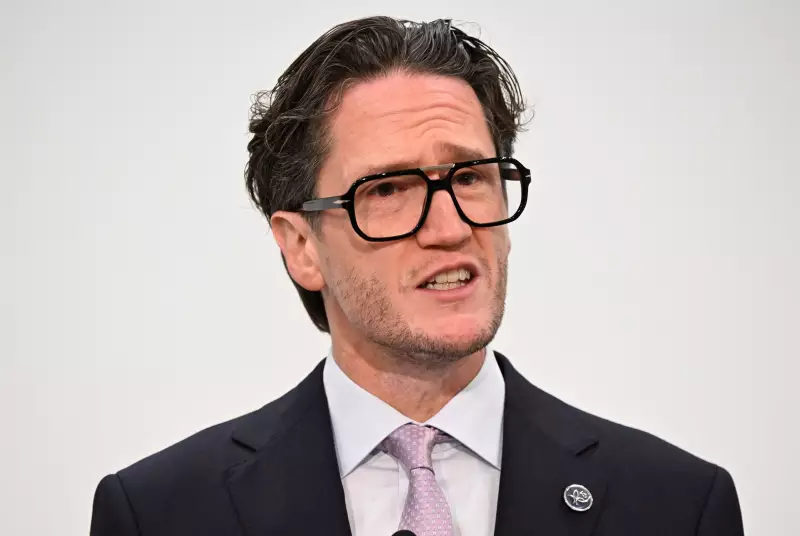
Leading this cost-saving charge is Benoit Charette, the minister responsible for infrastructure. Charette was sworn into this pivotal role during a cabinet shuffle at the legislature in Quebec City on Wednesday, September 10, 2025. His mandate now includes implementing the new framework designed to achieve significant financial efficiencies across provincial projects.
The Core Strategies for Savings
While the government has not released the full, detailed plan to the public, the announced measures are expected to focus on several key areas. These include streamlining procurement processes, enhancing project management protocols, and adopting more innovative and cost-effective construction technologies. The overarching objective is to do more with the allocated budget, ensuring that every dollar spent delivers maximum value for Quebecers.

The push for a 15 per cent reduction in costs comes at a time when governments at all levels are facing fiscal pressures. By proactively addressing spending on infrastructure, which represents a substantial portion of the provincial budget, Quebec hopes to free up resources for other critical public services like healthcare and education.
Implications for Quebec's Future
The success of these measures will be closely watched by other provinces, as effective infrastructure management is a common challenge. If successful, the plan could serve as a model for fiscal responsibility in public works across Canada. The government has signaled that regular updates on the progress toward the 15 percent savings goal will be provided, ensuring transparency and accountability for the public.
This initiative underscores the provincial government's commitment to prudent financial management without compromising on the development and maintenance of the roads, schools, and hospitals that form the backbone of Quebec's communities.