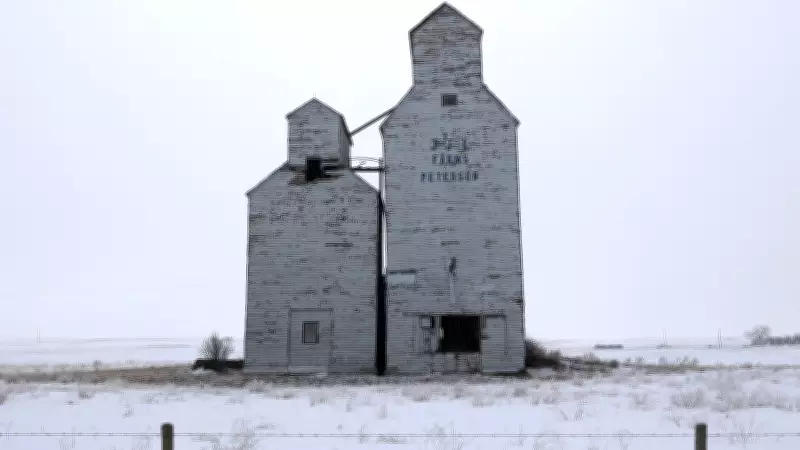
Rob O'Flanagan and his wife Valerie Senyk left Saskatchewan in 1994, part of a wave of young people fleeing a struggling economy. They returned 28 years later to find a province transformed—stronger, more confident, and prosperous.
A Difficult Departure
The decision to leave was agonizing. The couple was deeply connected to their community in Saskatoon, involved in the arts and community service. But job prospects were dwindling, and debts were piling up. In 1994, Saskatchewan was still crawling out of a recession, and the threat of bankruptcy loomed. They moved to a mining community in northern Ontario, where Valerie had accepted a theatre arts teaching job at Laurentian University. It was the hardest decision they ever made as a couple.
Returning to a Changed Province
After 28 years, they returned to Saskatoon in the summer of 2022, in much better financial shape. The province they found was far stronger and more confident. New subdivisions, polished trucks, and bustling shopping centres signaled prosperity. The countryside had changed too: bison had returned, roaming in fenced fields, and farms had grown larger with gleaming metal grain bins. Potash mines were churning, and new resources like helium, rare earths, lithium, and diamonds were being explored.

Economic Recovery and Growth
In the 1990s, Saskatchewan's economy was in dire straits. Drought, debt, and a stagnant population plagued the province. Young people left for Alberta, and rural areas emptied. But through policy changes—lower corporate taxes, elimination of capital taxes, and restructured royalties—the province began to attract investment. Diversification of crops, especially canola and pulse crops, and the growth of mining turned the tide. By 2025, canola was planted on 4.5 million hectares, and Saskatchewan became the world's largest exporter of canola oil.
Indigenous Economic Reconciliation
First Nations communities have become major players in the provincial economy. Indigenous workers now make up nearly half the workforce at some mining operations. In 2025, a $500 million agreement between Rise Air, an Indigenous-owned airline, and uranium producers Cameco and Orano will transport workers to northern mines. Whitecap Dakota First Nation, once plagued by unemployment, now boasts a grand casino and resort-like community.
Potash Boom and Small-Town Revival
Potash mining has driven growth in towns like Humboldt, which became a city in 2000. The BHP Jansen mine, costing $8.4 billion for its first stage, is expected to bring thousands of new residents. Humboldt's mayor, Rob Muench, notes that new housing developments are springing up, and the real estate market is among the hottest in the province.
A New Perspective
O'Flanagan reflects that leaving Saskatchewan was a valuable experience, giving him confidence and resilience. Now back, he appreciates the province's people and landscapes more than ever. He plans to continue exploring small towns and understanding the changes that have reshaped Saskatchewan over three decades.