Chow's Report on Speed Cameras Criticized for Misleading Data
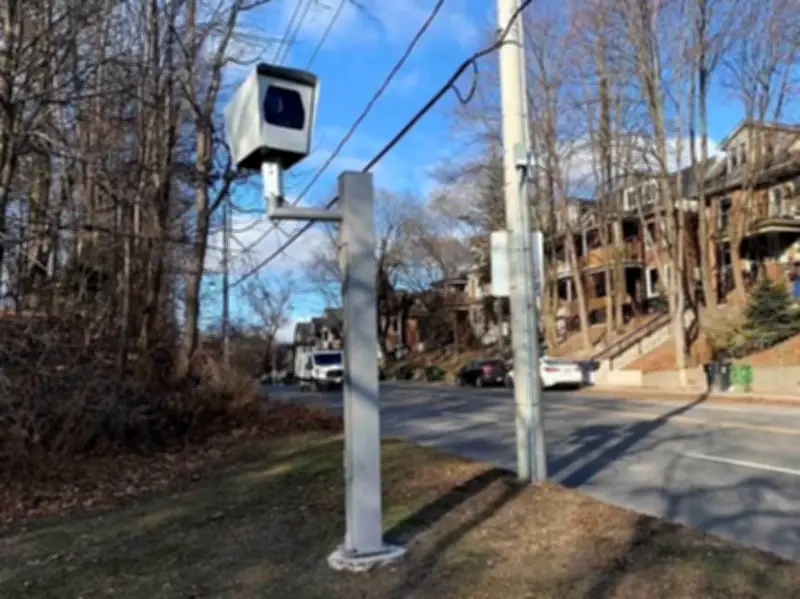
Toronto Mayor Olivia Chow's report to city council on speeding after the removal of speed cameras is being criticized for relying on exaggerated percentages rather than hard numbers. The report, which claims a 410% increase in excessive speeding in school zones, has been called 'dodgy at best' by critics.
The report compared data from 104 locations across Toronto, examining vehicle speeds before and after the speed camera shutdown. It found that the average 85th percentile operating speed increased by 4.8 km/h. In 30 km/h zones, the average speed of those exceeding the limit was 35 km/h, not highway speeds as Chow suggested.
How the 410% Figure Is Calculated
The city arrived at the 410% increase by comparing the percentage of drivers going 16 km/h or more over the limit. In 30 km/h zones, that figure rose from 1.4% with cameras to 7.2% without, a jump the city presents as a 410% increase. Similarly, in 50 km/h zones, the increase was from 0.5% to 2.9%, described as a 480% increase.

'It's utter nonsense,' said one critic, noting that the actual percentage of drivers speeding excessively remains low. The report also found no increase in fatal collisions: from December 2025 to May 2026, there were 25 fatal collisions in former camera zones, the same as in the comparable period from December 2021 to May 2022.
Chow's Rhetoric vs. Reality
Chow has framed the issue as a matter of life and death, stating, 'I've said many times, speed kills. This report is horrifying.' She added, 'People are driving like it's a highway. It's a school zone for God's sake.' However, the data shows average speed increases of less than 5 km/h, not highway-level speeds.
The mayor also pushed back against Premier Doug Ford's call for more speed bumps, arguing that they slow emergency vehicles. Critics note this contradicts Chow's support for bike lanes that also reduce emergency response times.
Critics Call It a Cash Grab
Critics argue that the speed camera program was always about revenue, not safety. 'Money and not safety is why they set them up, and money and not safety is why Chow is fighting to bring them back,' said one observer. The report's use of percentage increases rather than raw numbers is seen as an attempt to exaggerate the problem.
The debate continues as council considers reinstating speed cameras, with Chow pushing for their return despite the data showing minimal impact on overall safety.