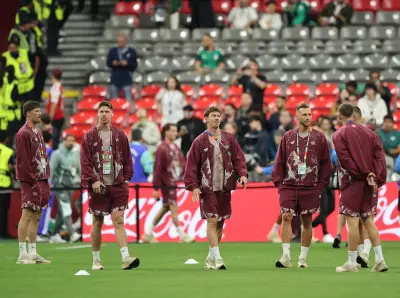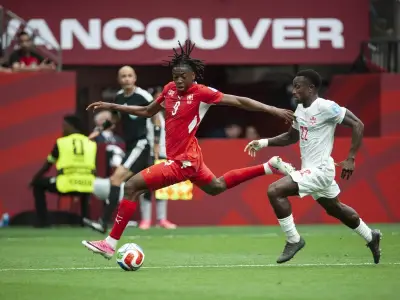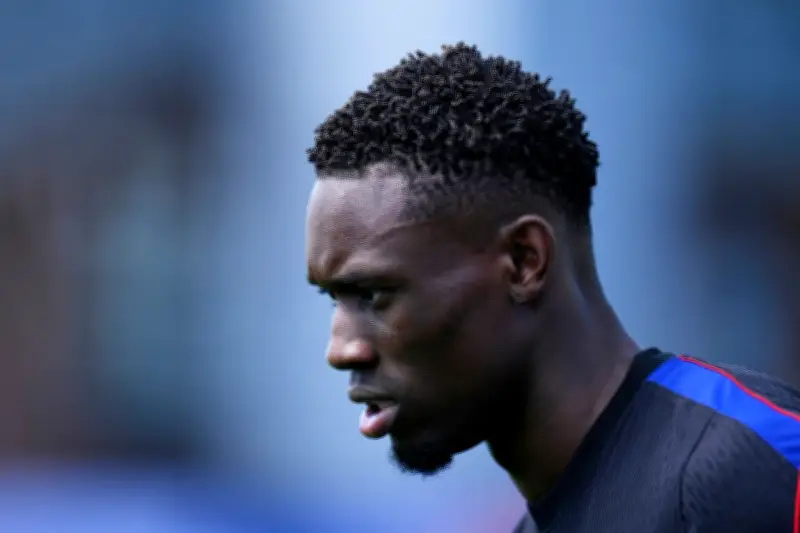
Folarin Balogun started for the United States men's national team against Belgium on July 6, 2026, after FIFA lifted his red card suspension following a direct call from President Donald Trump to FIFA President Gianni Infantino. The decision has ignited a firestorm of debate over political interference in sports governance.
Trump's intervention and FIFA's reversal
Balogun was originally shown a red card in the US's previous World Cup match for a tackle deemed dangerous by the referee. The automatic suspension would have kept him out of the crucial round-of-16 clash with Belgium. However, Trump personally called Infantino to request a review of the decision, according to White House officials. "I didn't know what the hell a red card was," Trump told reporters, explaining his motivation. "But I saw our guy get thrown out, and I thought, 'That's not right. We need a review.'" FIFA subsequently announced that the red card had been "overturned upon review," allowing Balogun to play.
Game impact and controversy
Balogun's presence was immediately felt as he scored the opening goal in the 23rd minute, helping the US secure a 2-1 victory over Belgium. The win advanced the US to the quarterfinals. However, the manner of his reinstatement drew sharp criticism from Belgium's coach, Domenico Tedesco, who called it "a dark day for football" and accused FIFA of bowing to political pressure. "This sets a dangerous precedent," Tedesco said. "The integrity of the sport is compromised when world leaders can overturn refereeing decisions with a phone call."

Reactions and broader implications
FIFA defended its decision, stating that the review was conducted by its disciplinary committee and was based on new video evidence, not political influence. "The process was followed correctly," a FIFA spokesperson said. "The red card was clearly an error upon review." Critics, however, point to Trump's history of pressuring sports organizations, including his earlier involvement in a dispute with the PGA Tour. The incident has also reignited debates about the role of politics in international sports, especially with the next World Cup set to be hosted in the United States in 2030.