Crosby and Poulin Injuries Reveal Canada's Hockey Vulnerability in Milan
The quarter-final match against Czechia served as a sobering wake-up call for Hockey Canada, starkly illustrating what the national teams look like without their legendary captains Sidney Crosby and Marie-Philip Poulin leading the charge. While the organization may prefer to avoid contemplating the eventual retirement of these icons, the recent games in Milan forced that reality into sharp focus.
The Intangible Greatness of Canadian Captains
Throughout their illustrious careers, Sidney Crosby's and Marie-Philip Poulin's excellence has transcended measurable attributes like skating speed, physical strength, or shooting accuracy. Both possess these fundamental skills in abundance, but their true magic lies in their uncanny ability to appear precisely when needed most and execute game-changing plays during critical moments.
Crosby demonstrated this repeatedly, most famously with his overtime gold-medal winner at the 2010 Vancouver Olympics. Similarly, Poulin has built her legacy on delivering during heart-stopping situations, scoring three game-winning goals in Olympic finals and most recently netting two crucial semi-final goals to propel Canada into another gold-medal showdown against the United States.

These battle-tested leaders share more than just championship pedigrees—they possess an almost mystical capacity for victory that teammates have struggled to articulate. In hockey parlance, they embody the essence of being clutch performers.
Simultaneous Setbacks in Milan
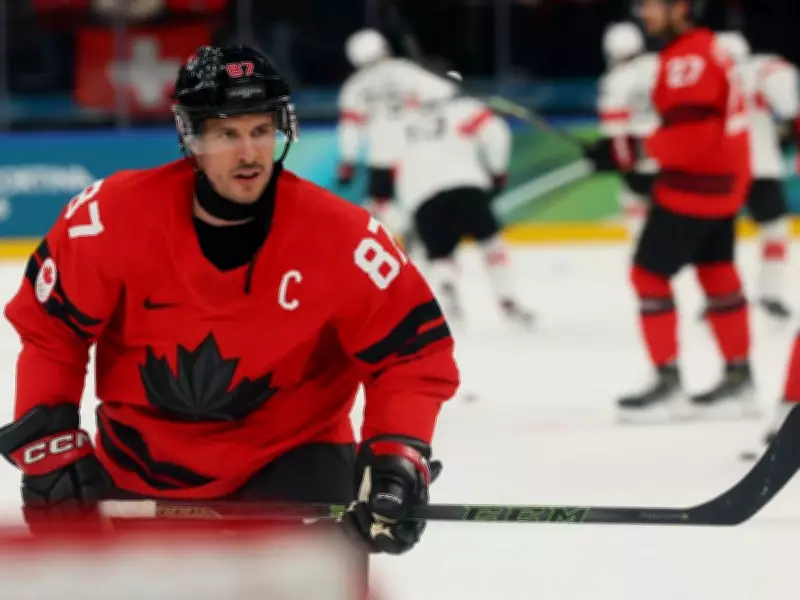
Now the veteran captains find themselves connected by unfortunate circumstance: both sustained lower-body injuries during tournament play in Italy. The 38-year-old Crosby limped off the ice during the second period of Canada's dramatic quarter-final victory over Czechia after an awkward collision with Radko Gudas left his legs splayed unnaturally. Following another hit along the boards, Crosby appeared unable to maintain his normal stride, eventually retreating to the locker room.
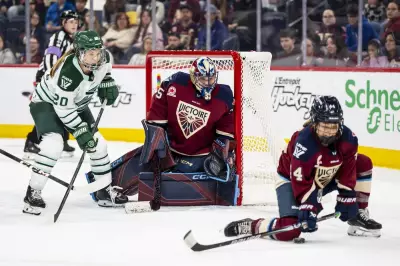
Poulin, 34, suffered her injury earlier in the women's tournament, also against Czechia, forcing her to miss two crucial games. The timing created an eerie parallel between the men's and women's national teams, both suddenly deprived of their inspirational leaders during high-stakes international competition.
Teams Adrift Without Their Anchors
On paper, both Canadian squads possess sufficient star power to withstand temporary absences. The rosters feature numerous players accustomed to carrying significant responsibilities for their professional clubs. Yet the practical reality proved different.
After dominating Czechia 5-0 during preliminary rounds, the Canadian men found themselves trailing 3-2 late in the quarter-final rematch without Crosby's presence. Coach Jon Cooper's decision to pair top centers Connor McDavid and Nathan MacKinnon on the same line alongside teenage sensation Macklin Celebrini reflected either tactical brilliance or desperate improvisation—perhaps both. While that combination generated offensive pressure, the tying and winning goals originated from other sources, noticeably lacking Crosby's game-altering influence.
The women's team experienced similar difficulties during Poulin's absence, suffering a decisive 5-0 defeat against the United States in preliminary play. The Canadians appeared unmistakably diminished, resembling a unit acutely aware that their most potent weapon remained unavailable.
Future Implications for Canadian Hockey
These simultaneous injuries underscore a pressing concern for Hockey Canada: the eventual transition from the Crosby-Poulin era. While the organization need not immediately confront this reality, the Milan tournament provided a preview of challenges ahead. The intangible qualities that define these captains—their leadership, timing, and clutch performances—represent assets not easily replaced.
As both players advance through the latter stages of their careers, their recent injuries serve as reminders that even legendary athletes face physical limitations. For now, Canada can celebrate surviving these scares and advancing in tournament play, but the glimpses of vulnerability without their iconic leaders will linger as Hockey Canada contemplates its future beyond these extraordinary captains.