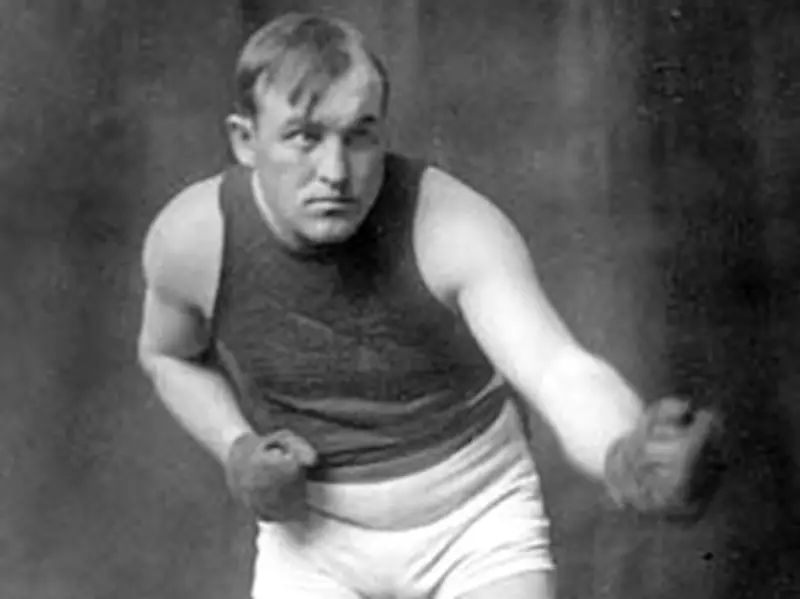
Tommy Burns: The Canadian Boxing Champion Who Made History by Losing
Across the vast expanse of Canada, greatness often emerges in unexpected forms, shaping the nation's identity through groundbreaking individuals and transformative initiatives. From Wayne Gretzky redefining hockey to Frederick Banting's life-saving medical discoveries, Canadian history is rich with game-changing contributions. In this spirit, we delve into a remarkable story from the world of sports, where a Canadian boxer achieved immortality not through victory, but through a courageous decision that challenged societal norms.
The Rarity of Canadian Boxing Champions
In today's boxing landscape, characterized by multiple sanctioning bodies and frequent title changes, Canadian world champions are exceptionally rare. Currently, Christian Mbilli holds the WBC super middleweight title, though he is often associated with France. This scarcity makes the historical achievement of Tommy Burns all the more significant. Born Noah Brusso near Hanover, Ontario, Burns remains the only Canadian-born heavyweight champion of the world, a title he held during the early 20th century. Yet, his legacy is not defined by his technical prowess in the ring, but rather by a historic fight where he faced near-defeat.
The Backdrop: Jack Johnson's Quest for Recognition
To fully appreciate Burns' place in history, one must understand the context of racial discrimination in boxing at the time. Jack Johnson, an African-American fighter, had dominated the sport, winning the world coloured heavyweight championship in 1903 and establishing himself as the top contender in the division. Despite his undeniable skill, Johnson faced systemic racism that prevented him from challenging for the full heavyweight title. The reigning champion, James J. Jeffries, who held the belt since 1899, publicly refused to fight Black opponents, stating he would "never" step into the ring with Johnson.

Johnson persistently sought a title shot, confronting Jeffries in person and calling him out after victories, such as his brutal stoppage of Denver Ed Martin in 1904. His hopes briefly rose in 1905 when Jeffries retired, citing a lack of "logical" white challengers, which marked the first voluntary relinquishment of the heavyweight belt in boxing history. However, the subsequent title fight between Marvin Hart and Jack Root, declared for the vacant championship, ended in disappointment for Johnson when Hart, after winning, explicitly excluded "coloured people" from his challenge.
Burns' Historic Decision
It was against this backdrop of exclusion that Tommy Burns emerged as a champion willing to break barriers. In 1908, Burns made the unprecedented decision to give Jack Johnson a title shot, becoming the first heavyweight champion to face a Black man in a championship bout. This act was not without risk; Burns faced significant backlash from a society steeped in racial prejudice, and the fight itself nearly ended in a knockout for Johnson. Yet, by stepping into the ring, Burns catalyzed a pivotal moment in sports history, challenging the entrenched racism of the era and paving the way for greater inclusivity in boxing.
Legacy and Impact
Tommy Burns' legacy extends far beyond his boxing record. While he is remembered for almost being knocked out by Johnson, his true victory lies in his courage to confront racial barriers. This decision highlighted the broader struggles for equality in early 20th-century North America and underscored the role of sports as a platform for social change. Burns' actions contributed to a gradual shift in attitudes, inspiring future generations of fighters and fans alike.
In celebrating Canadian greatness, the story of Tommy Burns serves as a powerful reminder that impact is not always measured in wins and losses. Sometimes, it is found in the willingness to lose for a greater cause, making Burns a true icon in the annals of both Canadian and global sports history.