Toronto's FIFA World Cup 2026 Ticket Costs: A Look at Fan Expenses
As excitement builds for the FIFA World Cup 2026, Toronto is gearing up to host six matches at the upgraded BMO Field. With the global soccer spectacle just around the corner, many fans are wondering about the financial commitment required to witness the action live. The cost of attending these prestigious games has become a hot topic among local supporters, prompting discussions about affordability and accessibility.
Stadium Upgrades and Host City Preparations
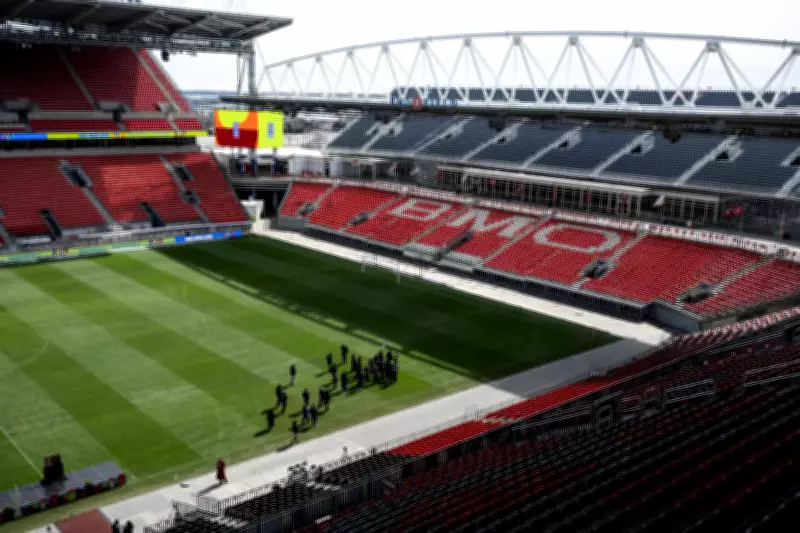
Recent tours organized by MLSE and the City of Toronto have showcased the significant enhancements made to BMO Field in preparation for the World Cup. These improvements are designed to meet FIFA's stringent standards and provide an exceptional experience for both players and spectators. The stadium's transformation includes upgraded facilities, enhanced seating arrangements, and state-of-the-art media accommodations, all aimed at creating a world-class venue for the tournament.
The financial implications for fans are becoming increasingly clear as ticket pricing structures emerge. While exact figures for individual matches have not been officially released, industry experts predict that prices will vary significantly based on factors such as match importance, seating location, and opponent teams. Preliminary estimates suggest that premium seats for high-profile games could command substantial premiums, while more affordable options may be available for less competitive fixtures.

Fan Perspectives and Economic Impact
Local soccer enthusiasts have expressed mixed reactions to the anticipated costs. Some view the expense as a worthwhile investment for a once-in-a-lifetime opportunity to witness World Cup matches in their home city. Others express concern about pricing that might exclude average-income families from participating in this historic event. The debate highlights the tension between commercial realities and community accessibility in major sporting events.
The economic ripple effects of Toronto's World Cup hosting duties extend beyond ticket sales. Local businesses, particularly in the hospitality and tourism sectors, are preparing for an influx of domestic and international visitors. Restaurants, hotels, and transportation services are expected to see increased demand during the tournament period, potentially boosting the local economy while also driving up prices for ancillary services.
Comparative Analysis and Future Considerations
When compared to other major sporting events hosted in Toronto in recent years, World Cup ticket prices are projected to be significantly higher due to the tournament's global prestige and limited availability. This pricing reality raises important questions about how host cities balance revenue generation with community engagement in mega-events.
As Toronto continues its preparations for 2026, several key factors will influence the final ticket pricing landscape:
- FIFA's pricing policies and revenue-sharing requirements
- Local market demand and purchasing power
- Competition from other North American host cities
- Packaging options that might bundle multiple matches
- Potential discounts for early purchases or group sales
The conversation around World Cup affordability in Toronto reflects broader discussions about the commercialization of international sports and its impact on local communities. As more details emerge about ticket availability and pricing structures, fans will need to make difficult decisions about their level of participation in this historic sporting occasion.