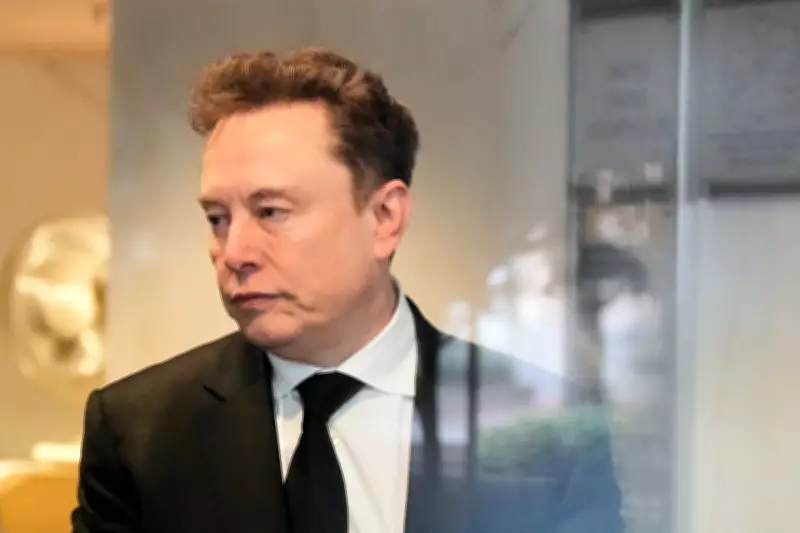
Elon Musk took the stand in a highly anticipated trial against OpenAI, providing key insights into his involvement with the artificial intelligence company. The testimony, delivered at the U.S. District Court in Oakland, California, on Tuesday, April 28, 2026, shed light on Musk's early role as a co-founder and his subsequent departure.
Musk's Early Involvement with OpenAI
Musk testified that he was instrumental in the founding of OpenAI in 2015, contributing significant funding and expertise. He stated that he initially believed the company would operate as a non-profit focused on developing AI for the benefit of humanity. However, concerns arose when OpenAI transitioned to a for-profit model, which Musk argued deviated from its original mission.
Departure from the Board
Musk detailed his reasons for leaving OpenAI's board in 2018, citing conflicts of interest due to Tesla's own AI development. He also expressed worries about the potential risks of advanced AI systems, emphasizing the need for robust safety measures. The testimony highlighted Musk's ongoing advocacy for AI regulation and transparency.

OpenAI's Response
During cross-examination, OpenAI's legal team challenged Musk's claims, presenting evidence of his continued support for the company after his departure. They argued that Musk's public statements often contradicted his private actions. The trial is expected to continue for several more weeks, with additional witnesses scheduled to testify.
Overall, Musk's testimony has provided a rare glimpse into the early days of OpenAI and the tensions that shaped its evolution. The case has broader implications for the AI industry, particularly regarding governance and ethical standards.