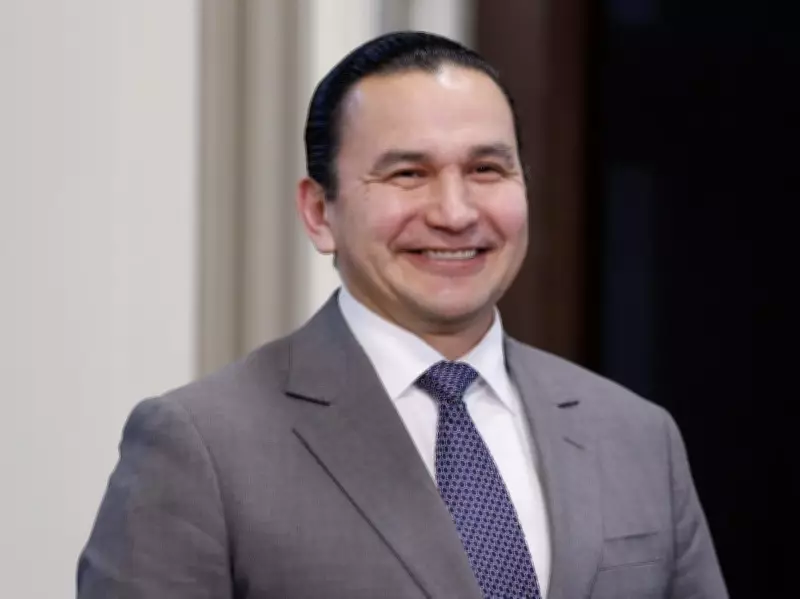
Manitoba Premier Wab Kinew has announced plans to make his province the first in Canada to ban social media and artificial intelligence for teenagers. Speaking at an NDP fundraising gala, Kinew employed fear-based rhetoric, claiming these tools are designed to hack children's brain reward systems, contributing to anxiety, depression, and the trafficking of young women.
While Kinew has not provided specific details, he indicated Manitoba would follow Australia's lead, which imposed a youth social media ban in December, and also restrict access to artificial intelligence. The federal government has similarly considered banning social media for youth, with Culture Minister Marc Miller stating the issue will be taken seriously after Liberal delegates endorsed the idea at a party convention in early April.
The Case Against Government Bans
However, critics argue that a blanket ban is not the solution. The real focus should be on active parenting. Parents already have a range of tools at their disposal to limit and regulate their children's use of social media and AI, including setting screen time limits, reviewing account settings, and making decisions based on a child's age and maturity.

By banning access until age 16, the government would not prepare youth for life in the digital age. Instead, it delays the inevitable while sidelining crucial parental guidance that could help children navigate these technologies responsibly.
Evidence from Australia Shows Bans Are Ineffective
Early data from Australia indicates that up to 20% of teenagers still access social media using VPNs or other censorship-resistant technologies. This number is expected to rise as youth find new ways to circumvent the system. The ban has only been in place for a few months, yet millions of kids have been cut off from friend networks, group chats, hobby communities, and social circles built over years.
Many of these children were using social media responsibly, with parental involvement ensuring limited and positive use. Artificial intelligence is also a crucial learning tool for developing skills needed in tomorrow's job market. Banning it not only delays development but puts youth behind the curve.
Legal and Evidence Concerns
Australia's law is already facing a challenge in its High Court, and given Canada's history of charter litigation, any similar law in Manitoba or federally would likely be contested. Furthermore, a comprehensive study published in JMIR Mental Health found insufficient evidence to support blanket bans for improving youth mental health.
Manitobans and all Canadians should reject government scare tactics. While parents should absolutely have a say over their children's use of social media and AI, a heavy-handed government ban is not the answer.
Jay Goldberg is the Canadian affairs manager at the Consumer Choice Center.