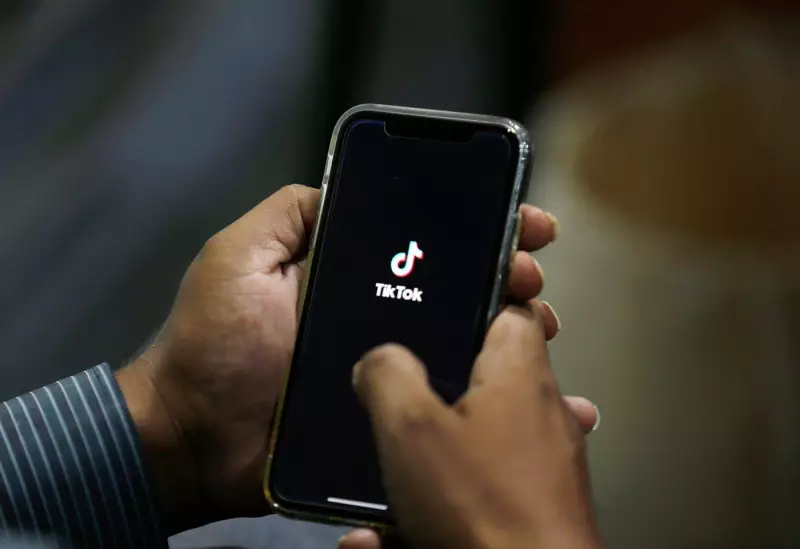
TikTok Forges U.S. Joint Venture to Sidestep Potential Ban
In a significant development for the social media landscape, TikTok has reportedly reached a deal to establish a new joint venture in the United States. This strategic move is designed to preemptively address national security concerns and avoid a looming ban that has threatened the platform's operations in the American market.
Navigating Regulatory Hurdles
The agreement, as detailed by Reuters, involves creating a U.S.-based corporate structure that aims to satisfy regulatory demands regarding data handling and oversight. This joint venture model is seen as a critical compromise, allowing TikTok to maintain its vast user base while implementing enhanced security protocols to protect American user data from foreign access.
This development comes after years of intense scrutiny from U.S. lawmakers and security agencies, who have expressed fears that the app's Chinese ownership could pose risks to national security. The proposed joint venture is expected to include partnerships with American technology firms and possibly involve U.S. oversight mechanisms to monitor data flows and content moderation practices.

Implications for the Social Media Industry
The resolution of this standoff has broader implications for the global tech industry, particularly concerning how international platforms operate within jurisdictions with stringent data sovereignty laws. By opting for a joint venture, TikTok sets a precedent for other foreign-owned apps facing similar challenges in Western markets.
Analysts suggest that this deal could reshape competitive dynamics, as TikTok secures its position in one of its largest markets. The platform's ability to innovate and engage users through short-form video content remains a key asset, and avoiding a ban ensures continued rivalry with established players like Meta's Instagram and Google's YouTube.
Furthermore, the agreement highlights the increasing complexity of operating global digital services amid rising geopolitical tensions. It underscores the need for transparent governance structures that can balance innovation with security imperatives, a challenge that will likely define the tech sector for years to come.