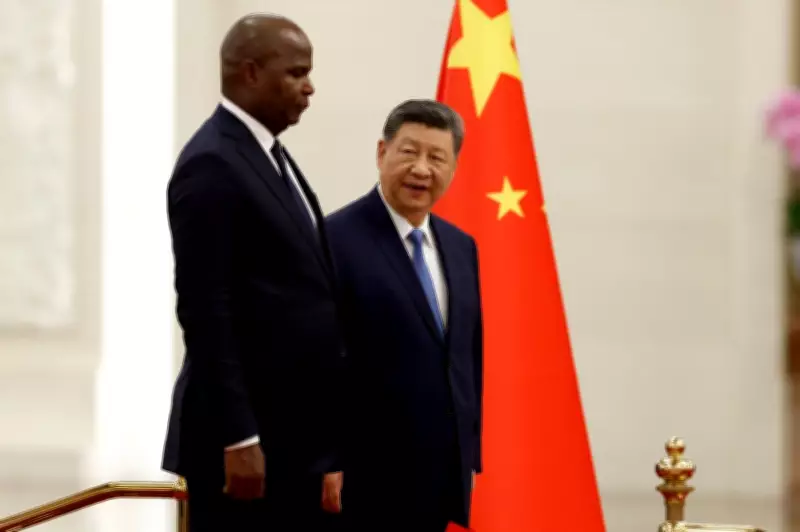
China has now dropped tariffs on imports from every African country except one, according to a recent announcement. The policy shift, which took effect this week, removes import duties on goods from 53 African nations, leaving only one country still subject to tariffs. This move is seen as an effort to bolster economic cooperation and trade between China and the African continent.
Details of the Tariff Reduction
The Chinese government confirmed that the tariff elimination applies to all African countries with which it has diplomatic relations, with the exception of one unspecified nation. The decision aligns with China's broader strategy to enhance trade partnerships and support economic growth in developing regions. The move is expected to benefit African exporters, particularly in sectors such as agriculture, minerals, and manufactured goods.
Implications for Trade Relations
This policy change is likely to strengthen China-Africa trade ties, which have grown significantly over the past decade. China is already Africa's largest trading partner, and the removal of tariffs could further boost bilateral trade volumes. However, the exclusion of one country may indicate ongoing diplomatic or trade disputes.

Analysts suggest that the tariff reduction could lead to increased exports from Africa to China, helping to balance trade deficits. African nations have long sought greater access to the Chinese market, and this move is a positive step toward that goal.
Reactions from African Leaders
Several African leaders have welcomed the announcement, praising China's commitment to mutual economic benefits. Mozambique's President Daniel Chapo, who recently visited Beijing, expressed optimism about the potential for increased trade and investment. Other officials noted that the tariff elimination would help reduce costs for African businesses and consumers.
However, the identity of the one country still subject to tariffs remains unclear. Speculation points to nations with strained diplomatic relations with China, such as those that have recognized Taiwan or criticized Chinese policies.
Broader Context
This tariff reduction is part of China's larger effort to strengthen ties with the Global South. In recent years, China has increased investments in African infrastructure, energy, and technology projects through initiatives like the Belt and Road Initiative. The tariff move complements these efforts by facilitating trade flows.
China's trade with Africa reached a record high in 2025, with total trade volume exceeding $250 billion. The removal of tariffs is expected to further accelerate this growth, benefiting both Chinese consumers and African producers.
While the policy has been broadly praised, some critics argue that it may increase China's influence over African economies and could lead to dependency. Others question whether African nations have the capacity to significantly boost exports to China in the short term.