Carney Challenges Grocery Greedflation Narrative in Ottawa Appearance
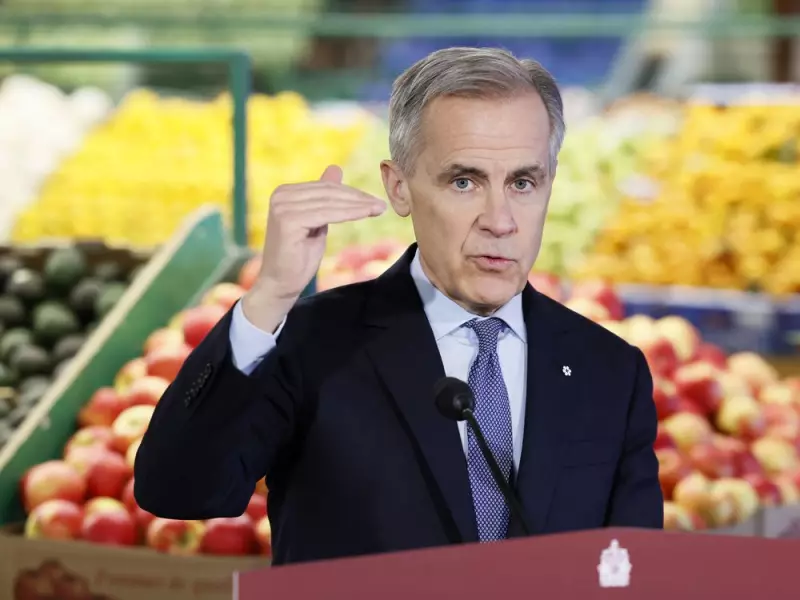
Prime Minister Mark Carney made a significant pivot from the global stage of Davos to a local Ottawa grocery store this week, directly addressing one of Canada's most persistent affordability concerns. Standing amidst imported avocados and domestic apples, Carney outlined his government's approach to tackling food price inflation while notably avoiding the popular corporate greed narrative that has dominated recent media coverage.
From Global Forum to Local Aisles
Just days after addressing international leaders at the World Economic Forum in Switzerland, Carney returned to Canadian soil with a focused message on domestic economic challenges. His grocery store backdrop served as a symbolic setting for announcing GST rebates that will provide up to $1,800 for families of four this year, though this measure comes with projected costs exceeding $11 billion over five years.
The prime minister's analysis of food price increases since 2020 presented a comprehensive view that diverged from the simplified greedflation explanations frequently promoted by media outlets. Carney emphasized that grocery costs have remained elevated for extended periods, creating ongoing financial pressure for Canadian households.

Systemic Factors Over Corporate Blame
In his detailed assessment, Carney identified multiple systemic drivers behind the 27 percent food price increase since 2020. The pandemic's global inflationary impact represented the initial catalyst, followed by significant supply chain disruptions resulting from international tariffs and trade policies. Climate change-induced weather events and broader geopolitical instability further compounded pricing pressures throughout the food distribution network.
Notably absent from Carney's explanation were accusations against grocery industry monopolies or executive compensation practices. Instead, his analysis pointed toward government-imposed lockdowns during the pandemic as primary contributors to the inflationary spike that saw rates exceed 10 percent at their peak and average around 8 percent during 2022-2023.
Policy Responses and Market Monitoring
The federal government's proposed solutions include enhanced support for the Competition Bureau to strengthen market monitoring and enforcement capabilities within food supply chains. Additionally, Carney announced plans to mandate unit pricing labels on grocery products, though this initiative faces implementation challenges given the price variations that exist between different retail locations.
This approach represents a significant departure from calls to dismantle major grocery corporations or implement aggressive anti-monopoly measures. By framing the issue through macroeconomic and policy lenses rather than corporate behavior, Carney has effectively shifted the conversation about food affordability in Canada.
Implications for Media and Regulatory Perspectives
The prime minister's analysis carries implications for how media organizations and regulatory bodies understand economic dynamics within the grocery sector. His emphasis on government policies and international factors as primary inflation drivers challenges simplified narratives that attribute price increases primarily to corporate profit-seeking behavior.
As the federal government moves forward with its affordability agenda, this reframing of the grocery price debate may influence both public discourse and regulatory approaches to market competition and consumer protection in Canada's food retail landscape.