Provinces Exploit Inflation to Tax Middle Class Through Stealth Bracket Creep
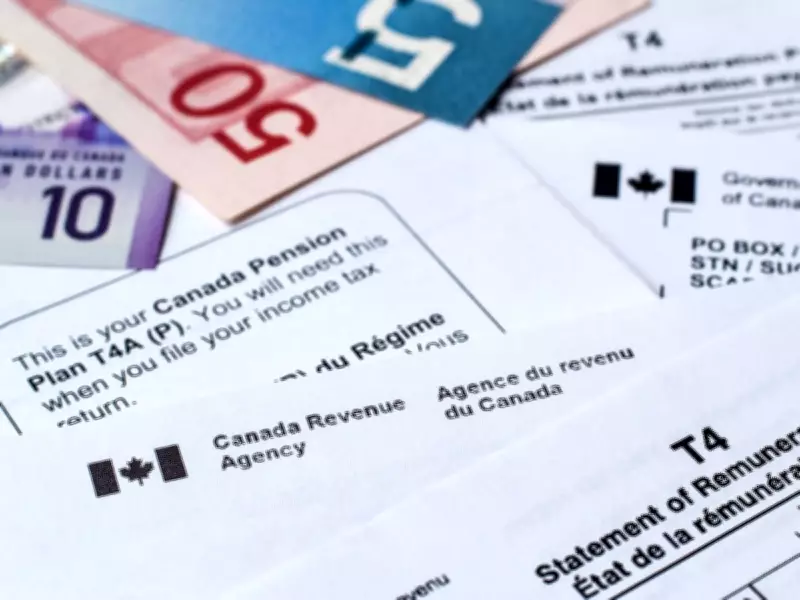
While Canadian workers celebrate hard-won cost-of-living raises, provincial governments in British Columbia, Manitoba, and Ontario have already claimed those salary increases through sophisticated stealth taxation strategies. These provinces are deliberately allowing inflation to push middle-class earners into higher tax brackets, generating billions in additional revenue without the political transparency of traditional tax increases.
The Stealth Taxation Strategy
Instead of implementing visible tax hikes that require legislative debate and public scrutiny, provincial governments are employing bracket creep as a shadowy budgetary tool. This occurs when tax brackets remain frozen while inflation pushes salaries upward, automatically moving more income into higher taxation tiers without any official rate changes.
British Columbia's approach combines a base tax rate increase with a multi-year bracket freeze from 2027 to 2030. A professional earning $75,000 faces an immediate $272 hit from the rate hike, but the real damage accumulates through bracket creep. Even with a modest 4% inflation adjustment, this worker will pay hundreds more annually by 2030 without any actual increase in purchasing power.

The financial impact compounds dramatically. Initial projections suggest $60 million in additional revenue next year, ballooning to approximately $590 million by the 2028/29 fiscal year as more workers enter higher tax brackets.
Manitoba's Retroactive Freeze
Manitoba's NDP government implemented its own stealth tax in March 2025 by indefinitely freezing the Basic Personal Amount and all income tax brackets at 2024 levels. This retroactive suspension of automatic inflation adjustments generated an estimated $82 million in unvoted revenue last year alone, according to the Canadian Taxpayers Federation.
The strategy eliminates the traditional protection that normally prevents inflation from eroding worker paychecks through automatic bracket adjustments, creating what critics describe as a hidden tax increase on middle-income earners.
Ontario's Outdated Surtax System
While Ontario indexes its main tax brackets, the province has failed to modernize its "high-income" surtax thresholds, which were established decades ago. This allows inflation to pull middle-class professionals into tax tiers originally designed for the wealthiest one percent of earners.
Today, a professional earning $100,000—insufficient to purchase the average home anywhere in Ontario—pays the same surtax intended for top earners when the policy was created. For context, Statistics Canada data indicates the threshold to enter Ontario's top one percent of earners was $313,100 in 2023, highlighting how inflation has distorted the original intent of these tax policies.
Political Implications and Budgetary Impact
These stealth taxation strategies represent a fundamental shift in how provincial governments approach revenue generation. Unlike traditional tax increases that require public legislative processes, bracket creep operates quietly in the background, extracting billions from middle-class workers while sparing politicians difficult budgetary decisions.
The approach allows provinces to balance budgets without the political costs associated with transparent tax hikes, but critics argue it undermines democratic accountability and disproportionately impacts workers already struggling with inflation. As provincial governments continue to face budgetary pressures, these stealth taxation methods may become increasingly common across Canada's political landscape.