Two Airbnb hosts in Toronto say that the World Cup did not deliver the anticipated windfall for short-term rentals, with one host describing the city as having "effectively ruined our business."
Hosts report dismal bookings despite high expectations
An anonymous Airbnb host told the Toronto Sun that his July bookings were far below previous years. "Our July would have been fully booked by now as we saw in the last several years, booked at 400-450 per night," he said. "We have not been able to command the prices that the city and Airbnb anticipated. Even at our regular $400 range, we had no bookings for the first two weeks of July. Now, we're lowering prices to $300, begging for bookings." The host requested anonymity, fearing city reprisals.
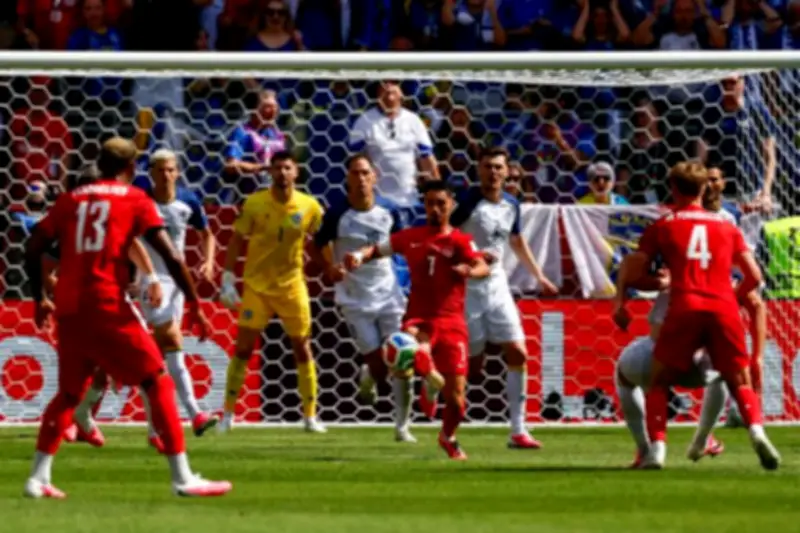
Matthew Collins, who rented a one-bedroom apartment in Mimico about a 20-minute bike ride from Toronto Stadium, had similar experiences. He initially listed his place for $1,200 a night for the Canada game, but eventually lowered the rate to between $155 and $175 prior to the game against Bosnia-Herzegovina on June 12. "Five days out, I had dropped my prices to basically what your typical base rate would be if the World Cup was not here," Collins said. "I didn't have a single inquiry about anything related to the World Cup."

Airbnb and city incentives fail to boost bookings
In February, Airbnb announced a $1,000 incentive for people in Canada who listed properties and had a guest stay before July 31. Collins signed up, but it did not help. The city also raised its municipal accommodation tax to 8.5% until July 31, up from the regular 6% rate, hoping to capitalize on tourist demand. Despite these efforts, the hosts saw little interest.
Collins noted that he had only one guest for two days in June, who came from Boston to see a FIFA game. "I was shocked that I didn't have a single inquiry," he said. He also expressed frustration with the $390 municipal fee he had to pay as a short-term rental operator.
Economic projections clash with reality
A study prepared for FIFA by Deloitte Canada estimated that hosting the World Cup could contribute $940 million in positive economic output in the Greater Toronto Area, including $520 million to the GTA's gross domestic product. The study projected average earnings per host around $2,000 US per game and estimated that 146,000 soccer fans would require accommodation, with 28,000 expected to stay at an Airbnb. However, these projections did not materialize for the two hosts.
Collins admitted he was taken in by the pre-tournament hype. "Somewhere there is a valuable lesson to be gleaned," he said. "We are going to sell out our hotel rooms, no matter what. If there is a World Cup here it doesn't really push the needle. I bought into the hype too much and it was way overblown, and I learned a lesson there."