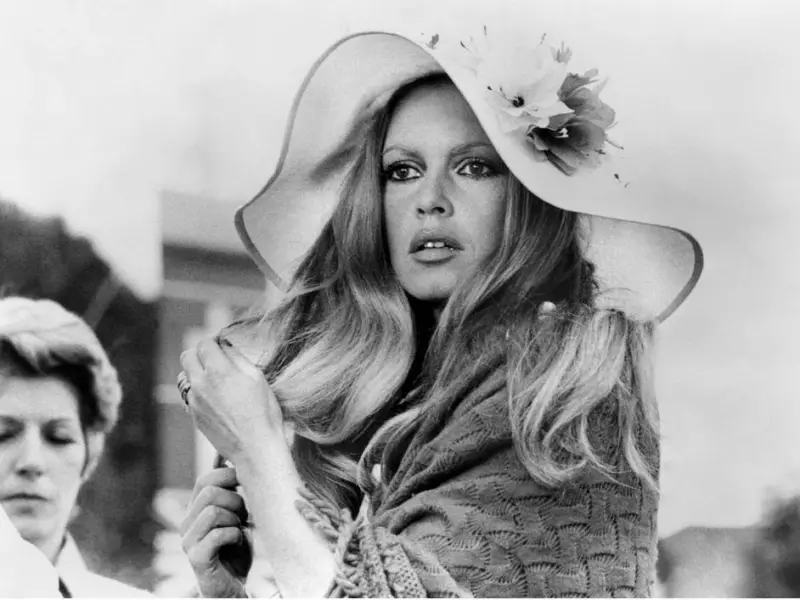
The recent passing of French screen legend Brigitte Bardot at the age of 91 has ignited a complex conversation that extends far beyond her iconic status as a 1950s sex symbol. Bardot, who died peacefully, leaves behind a legacy defined by a radical pursuit of personal freedom, a trait that made her both celebrated and controversial across decades.
From Bikini-Clad Starlet to Unapologetic Free Thinker
Bardot first captured the world's attention as a 17-year-old, famously wearing a bikini in the 1952 film "Manina, the Girl in the Bikini." The scene, shot at Paris's Molitor pool, was considered daring for its time. However, her true impact stemmed not from her image, but from her relentless insistence on living as a fully autonomous woman. She rejected prescribed roles, openly discussing reproductive rights years before they became law in France, and famously distanced herself from traditional motherhood.
Her independence made social conservatives uneasy. Simultaneously, the organized feminist movement often found her an unreliable ally because she refused to adhere to a specific ideological script. Bardot's core philosophy was freedom itself, unbound by political or social dogma.

A Voice Ahead of Her Time on Controversial Issues
In her later years, Bardot became an outspoken advocate for animal welfare, a cause to which she dedicated her life after retiring from cinema in 1973. Yet, it was her political commentary that generated the most significant backlash. She was convicted multiple times for hate speech related to her criticisms of certain immigration practices and rapid demographic changes in France.
Decades ago, she wrote to French officials about the religious slaughter of sheep, a topic that entered mainstream political debate during the 2012 elections. Her warnings about cultural shifts and border policies, once deemed extreme, now echo in contemporary European political discourse, including current discussions about deporting asylum seekers.
She also bucked trends within her own industry. During the peak of the #MeToo movement in 2018, Bardot controversially labeled it "hypocritical," suggesting some women used flirtation to advance their careers—a statement that cemented her reputation as an inconvenient truth-teller who rejected victim narratives.
A Legacy That Divides Even in Death
The reaction to her death has highlighted the modern tension between celebrating an icon and reconciling with their full beliefs. Singer Chappell Roan expressed disappointment upon learning of Bardot's views. Apple Martin, daughter of actress Gwyneth Paltrow, deleted a social media tribute, stating she would never support hatred.
Publications like Vogue published pieces arguing that mourning Bardot does not mean absolving her of supporting right-wing politicians. Notably, Marine Le Pen, the anti-establishment leader currently leading French presidential polls, was invited to Bardot's funeral. In contrast, the family of the late icon declined an offer from President Emmanuel Macron, whose approval has plummeted to around 11%, to hold a state funeral. Her husband suggested creating a state secretariat for animal welfare as the only tribute needed.
Critics who label her a racist often overlook her 1964 national television campaign to raise funds for African-American performer and French Resistance hero Josephine Baker and her twelve multiracial children, who were facing homelessness.
Bardot's activism extended to joining the Yellow Vest protests against what she saw as creeping authoritarianism. She championed a vision of France and femininity built on radical freedom and fearless independence.
Bardot may not have called herself a feminist in the traditional sense, but she lived a life of defiant self-determination. Her story challenges movements—whether feminist or populist—to expand their definitions of freedom. Brigitte Bardot was, as always, ahead of her time, proving she was infinitely more than just the pretty face that first made her famous.