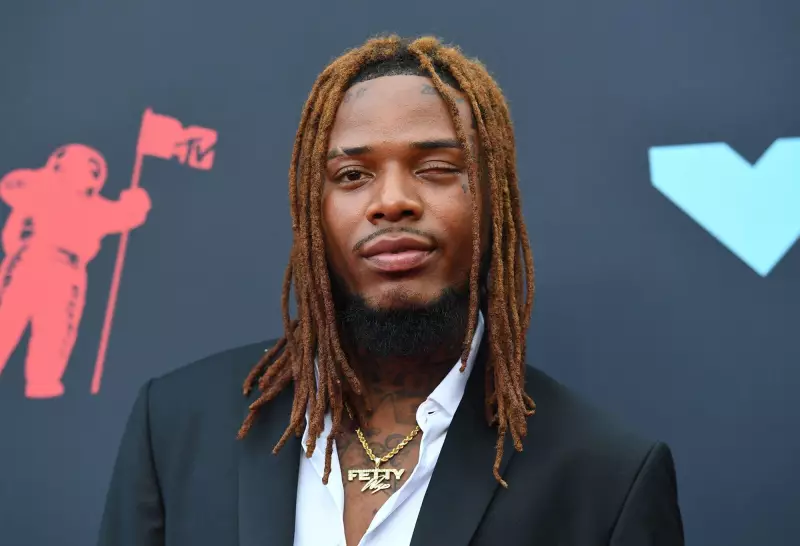
American rapper Fetty Wap has been released from a United States federal prison ahead of his scheduled sentence completion. The artist, whose legal name is Willie Junior Maxwell II, was let go in early January 2026, marking a significant turn in his legal journey.
The Legal Case and Conviction
The Grammy-nominated performer, best known for his 2015 hit "Trap Queen," faced federal charges related to a conspiracy to distribute controlled substances. His legal troubles culminated in a guilty plea and a subsequent prison sentence. The specific details of his early release, such as the exact date and conditions, were confirmed in the opening days of 2026, though the precise mechanisms—whether compassionate release, sentence reduction, or another form—were part of the official proceedings.
Career Impact and Public Persona
Fetty Wap rose to fame rapidly in the mid-2010s, becoming a defining voice in hip-hop with his distinctive vocal style. His incarceration inevitably paused a prolific music career that had included collaborations with major artists and consistent chart presence. His release sparks questions about a potential return to the music scene and how his experiences may influence future creative projects.

The news of his early exit from prison has generated significant discussion among fans and industry observers alike. It adds another chapter to the narrative of legal challenges faced by prominent figures in the entertainment world.
Looking Forward
With his release now confirmed, attention turns to the rapper's next steps. The conditions of his release will likely dictate his immediate ability to travel or work. For the music industry and his fanbase, this development opens the door for a possible comeback, though the path forward remains to be seen.
The case underscores the complex interplay between celebrity, the justice system, and second chances. As Fetty Wap transitions back to life outside of prison, his story continues to unfold, watched closely by the public that followed his meteoric rise.