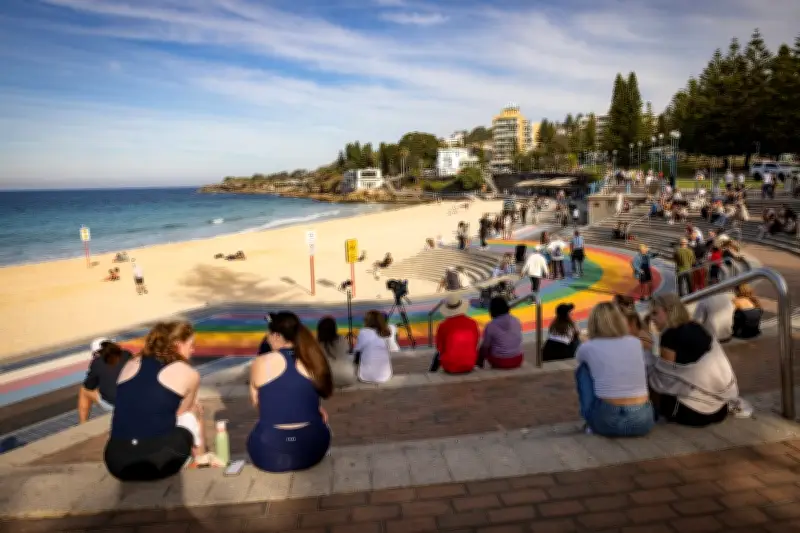
Drones deployed to monitor shark activity off Sydney beaches detected 73 shark sightings over a two-day period, leading to multiple beach closures and heightened warnings for swimmers. The operation, conducted by the New South Wales government's shark management program, aimed to enhance public safety following a recent fatal shark attack at Coogee Beach in June 2026.
Surge in Shark Sightings
The drone surveillance, carried out on July 2 and 3, 2026, covered popular beaches including Bondi, Coogee, and Maroubra. According to the NSW Department of Primary Industries, the 73 sightings included several species such as white sharks, bull sharks, and tiger sharks. The high number of detections prompted officials to close beaches for several hours each day and issue alerts advising swimmers to stay out of the water.
“The drones provide real-time data that allows us to quickly identify potential threats and take action,” said a spokesperson for the NSW Shark Management Program. “This technology is crucial for preventing further incidents.”

Response to Recent Fatal Attack
The intensified drone patrols come in response to a fatal shark attack at Coogee Beach on June 13, 2026, which resulted in the death of a local surfer. That incident sparked public concern and calls for improved shark monitoring measures. The NSW government has since expanded its drone fleet and increased surveillance frequency along the Sydney coastline.
“We are committed to using every tool available to keep beachgoers safe,” said NSW Minister for Agriculture and Fisheries, Tara Moriarty. “Drones are a key part of our strategy, and we will continue to deploy them extensively during peak swimming seasons.”
Technology and Safety Measures
The drones used are equipped with high-resolution cameras and artificial intelligence software that can identify shark shapes and movements from the air. When a shark is spotted, lifeguards are notified immediately, and beach closures are enacted if necessary. The system has been in operation since 2017 and has significantly improved response times.
In addition to drones, the NSW government uses shark nets, drum lines, and tagging programs to monitor shark movements. However, environmental groups have criticized some methods as harmful to marine life. The drone program is seen as a less intrusive alternative.
Public Advisory
Authorities have urged swimmers to remain vigilant and adhere to beach closure signs. “We advise everyone to swim only at patrolled beaches and to follow lifeguard instructions,” the spokesperson added. “Shark activity can be unpredictable, and it’s important to stay informed.”
The recent sightings have also led to discussions about long-term shark management strategies, including potential expansion of drone coverage to other parts of the New South Wales coast. The state government is expected to release a report on the effectiveness of the current measures later this year.