Alberta is experiencing a rise in tick reports, placing the province second in Canada for tick encounters, according to recent data. This increase has heightened public health concerns about Lyme disease, a bacterial infection transmitted through tick bites.
Rising Tick Activity Across Canada
Reports of ticks have surged across Canada, with Alberta recording the second-highest number of submissions. The data, compiled by eTick, a national tick surveillance program, shows that Alberta's tick reports have increased significantly compared to previous years. This trend mirrors a broader national uptick in tick populations, driven by warmer temperatures and expanding habitats.
Dr. Emily Jenkins, a professor of veterinary microbiology at the University of Saskatchewan, noted that climate change is enabling ticks to survive in regions where they were previously rare. "We're seeing ticks moving northward and into new areas, including Alberta," she said. "This means more people are at risk of encountering ticks and potentially contracting Lyme disease."

Lyme Disease Risk and Prevention
Lyme disease, caused by the bacterium Borrelia burgdorferi, can lead to severe symptoms if untreated, including fever, fatigue, joint pain, and neurological issues. Early detection and treatment are critical. Health officials recommend checking for ticks after outdoor activities, wearing long sleeves and pants in wooded areas, and using insect repellent containing DEET.
The Alberta government has launched a public awareness campaign to educate residents about tick safety. "We encourage Albertans to be vigilant, especially during the summer months when tick activity peaks," said Dr. Kristin Klein, a medical officer of health with Alberta Health Services. "Prompt removal of ticks can reduce the risk of infection."
Regional Hotspots and Reporting
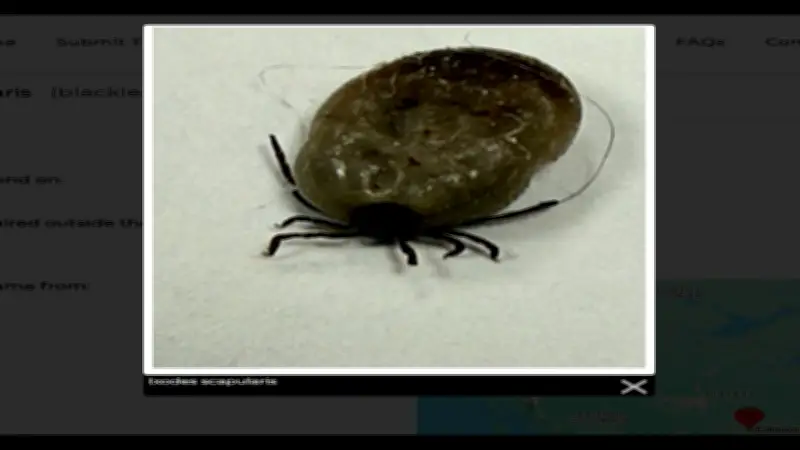
In Alberta, tick reports are concentrated in the southern and central regions, including areas around Calgary and Edmonton. The eTick program allows citizens to submit photos of ticks for identification, helping researchers track species and distribution. In 2025, Alberta submitted over 1,200 tick reports, a 15% increase from the previous year.
Nationally, Ontario leads in tick reports, followed by Alberta and British Columbia. The black-legged tick, which carries Lyme disease, is the primary concern, but other species like the American dog tick also pose risks.
Climate Change and Tick Expansion
Experts attribute the rising tick numbers to milder winters and longer summers, which extend the breeding season for ticks. "Warmer temperatures allow ticks to become active earlier and remain active later in the year," said Dr. Jenkins. "This expands the window of exposure for humans and animals."
The Canadian government is investing in tick surveillance and research to better understand the changing patterns. A recent report from the Public Health Agency of Canada highlighted that Lyme disease cases have more than doubled in the past decade, with over 2,000 confirmed cases in 2025.
Public Response and Recommendations
Health officials advise residents to take preventive measures when enjoying outdoor activities. "Simple steps like doing a tick check after being outside can make a big difference," said Dr. Klein. "If you find a tick, remove it carefully with tweezers and clean the area. If symptoms develop, seek medical attention."
For more information on tick safety and Lyme disease, visit Alberta Health Services' website or the eTick platform.