Winnipeg's Infamous 1966 Blizzard: A Historic Look Back at the Storm That Paralyzed the City
Sixty years ago, on March 4, 1966, Winnipeg was struck by a blizzard of legendary proportions, an event that residents still recall with vivid clarity. The storm, described by many as a relentless assault, brought the city to a standstill, leaving a lasting mark on its collective memory.
The Day the City Stood Still
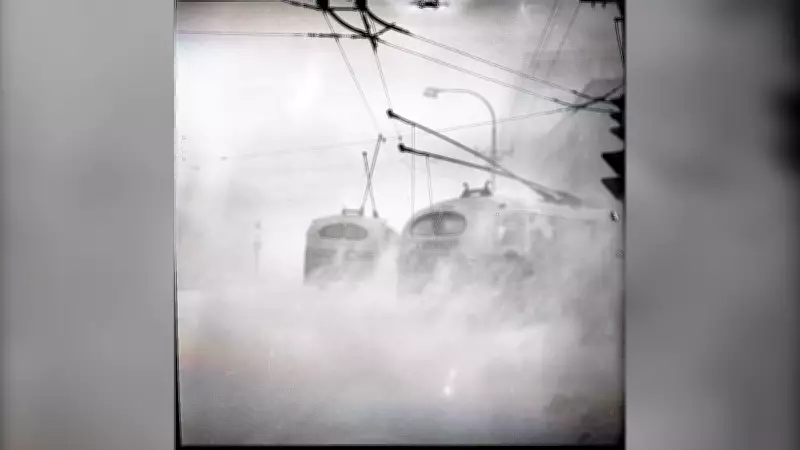
As the blizzard raged, visibility dropped to near zero, and fierce winds whipped snow into towering drifts. Transportation systems were crippled, with a notable image from the University of Manitoba Archives showing a lineup of stranded streetcars, immobilized by the accumulating snow. "We were being clobbered," one survivor recounted, capturing the intensity of the natural onslaught that disrupted daily life across Winnipeg.
The storm's ferocity tested the resilience of the community, as people hunkered down in their homes, businesses shuttered, and emergency services struggled to respond. The aftermath revealed a city blanketed in white, with cleanup efforts taking days to restore normalcy.

Legacy and Lessons Learned
This historic blizzard served as a wake-up call for Winnipeg, highlighting vulnerabilities in infrastructure and emergency preparedness. In the decades since, the city has implemented improved snow removal strategies and weather monitoring systems, though the memory of 1966 remains a benchmark for severe winter events.
Archival materials, such as those from the Winnipeg Tribune fonds, continue to educate new generations about the power of nature and the importance of community solidarity in times of crisis. The blizzard is not just a meteorological footnote but a pivotal chapter in Winnipeg's environmental and social history.
As climate patterns evolve, reflecting on past extremes like the 1966 blizzard offers valuable insights into resilience and adaptation. Winnipeg's experience underscores the need for ongoing vigilance and innovation in facing future weather challenges.