The newly signed B.C.-Ottawa 'prosperity agreement' has elicited a range of responses from political leaders, industry stakeholders, and Indigenous groups, as the framework aims to spur economic growth while addressing environmental and social priorities. The deal, announced in Vancouver on July 2, 2026, focuses on key sectors including shipyards, forests, and coastal development on Vancouver Island.
Key Components of the Agreement
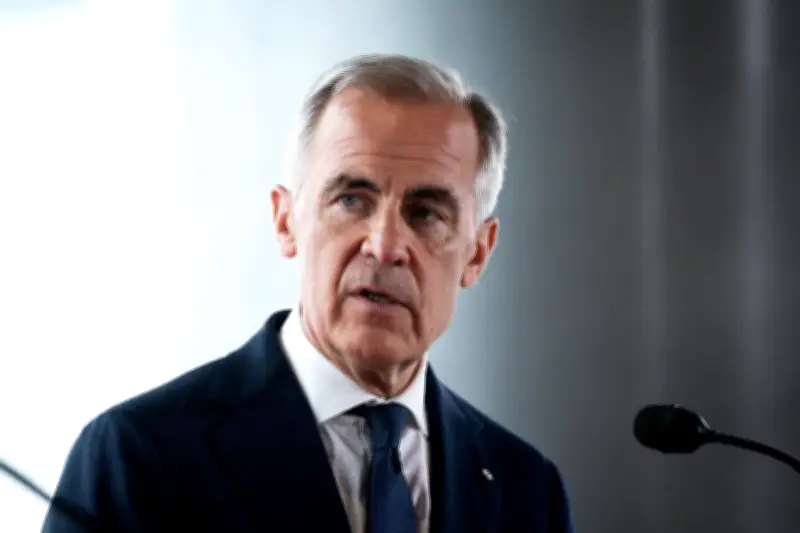
The agreement sets out a collaborative framework for federal-provincial investment in infrastructure, clean energy, and natural resource management. Prime Minister Mark Carney, who was in Vancouver for the announcement alongside B.C. Premier David Eby, emphasized the deal's potential to create jobs and boost economic resilience. 'This is about building a prosperous future for British Columbians while protecting the environment,' Carney said.
Specific initiatives include funding for shipyard modernization, sustainable forestry practices, and coastal conservation projects. The agreement also outlines commitments to reconciliation with Indigenous communities, though some leaders have expressed skepticism about implementation.

Reactions from Key Figures
Premier Eby described the agreement as a 'historic step' but also compared a separate condo-purchase plan to 'liquidation' at below construction costs, highlighting ongoing housing affordability challenges. 'We need to ensure that development benefits everyone, not just developers,' Eby stated.
Industry groups welcomed the focus on shipyards and forestry. 'This investment will modernize our facilities and keep B.C. competitive globally,' said a spokesperson for the B.C. Maritime Employers Association. However, environmental organizations raised concerns about potential impacts on old-growth forests and marine ecosystems. 'We need to see concrete protections, not just promises,' said a representative from the Sierra Club B.C.
Indigenous Perspectives
Indigenous leaders have called for meaningful consultation and benefit-sharing. Chief Robert Joseph of the Gwawaenuk Tribe noted, 'We support economic development, but it must respect our rights and territories. The devil is in the details.' The agreement includes provisions for co-management of resources, but some First Nations argue that more clarity is needed on revenue sharing and decision-making authority.
Broader Economic Context
The deal comes amid a mixed economic landscape in B.C. and Canada. While home sales in Greater Toronto rose 9.4% in June, according to the Toronto Regional Real Estate Board, and the board predicts potential price growth, B.C. faces housing affordability crises and labor shortages. The federal government also launched quarterly payments of the boosted grocery and essentials benefit starting July 3, providing direct relief to low-income families.
On the energy front, Alberta Premier Danielle Smith announced a proposed oil pipeline route with 'key advantages,' despite concerns over shipping economics. The prosperity agreement does not directly address oil and gas, but Carney noted that 'all provinces benefit from a strong national economy.'
Looking Ahead
Implementation of the agreement will be overseen by a joint committee with representatives from federal and provincial governments, Indigenous organizations, and industry. The first progress report is expected within a year. Critics argue that without binding targets and enforcement mechanisms, the agreement may fall short of its ambitions. 'We've seen many frameworks before; what matters is action,' said a policy analyst at the University of British Columbia.