The Middlesex-London Health Unit (MLHU) has announced an extension to its extreme cold weather alert, a critical measure as a significant winter storm continues to affect large portions of Canada. The alert, initially issued, remains in effect to protect public health from dangerously low temperatures and hazardous conditions.
Nationwide Weather Disruptions and Closures
This alert coincides with severe weather events causing widespread disruptions across the country. In Toronto, the Don Valley Parkway was closed south of Eglinton Avenue due to the storm, prompting officials to issue specific guidance for drivers. Meanwhile, municipalities like Kitchener and Cambridge have declared official snow events to manage accumulation.
Other regions are grappling with varied hazards. British Columbia's South Coast is under a warning for dense fog, significantly reducing visibility. In Southern Saskatchewan, a sudden warm spell is creating hidden dangers like thin ice, while Manitoba is contending with blowing snow that impairs travel on provincial roads.

Local Impacts and Safety Concerns
The extended alert in London and Middlesex underscores the serious health risks posed by extreme cold, including frostbite and hypothermia. Residents are urged to take precautions, such as limiting time outdoors, dressing in layers, and checking on vulnerable neighbours.
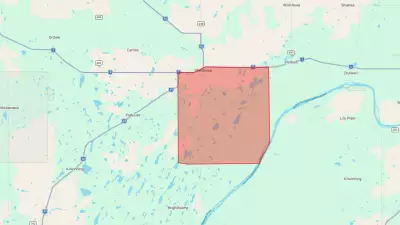
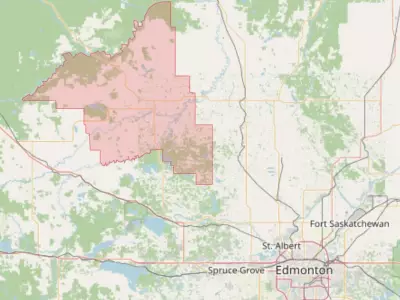
The broader storm system has led to multiple traffic incidents, including several collisions on Route 132 on Montreal's South Shore. In a separate but alarming incident, RCMP reported that two people were seriously injured by pit bulls in a region east of Edmonton.
Response and Community Adjustments
Various institutions and events have adjusted their schedules in response to the severe weather. The public is advised to verify the status of local services, schools, and transportation before heading out. The situation highlights the importance of heeding official warnings from health units and meteorological agencies during volatile winter conditions.
As the MLHU continues its alert, the focus remains on community safety and resilience. Staying informed through official channels is the best defense against the risks associated with this prolonged period of extreme cold and winter volatility.