Manitoba Bear Rescue Raises Alarm Over Proposed Quarry Development
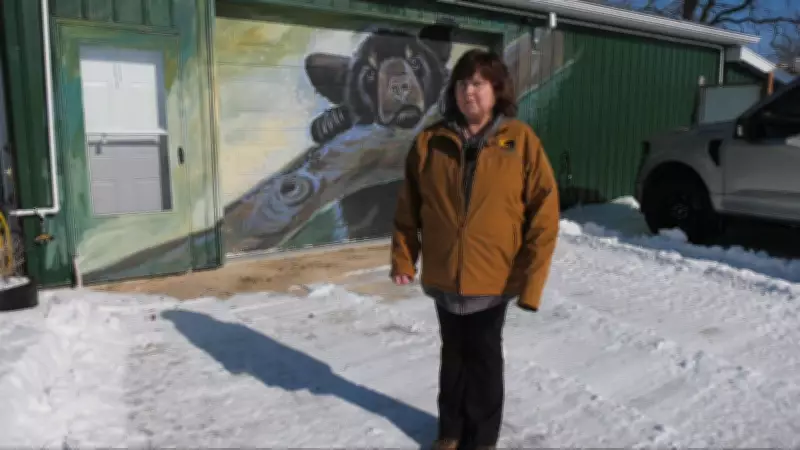
Judy Stearns, the dedicated founder of Black Bear Rescue Manitoba, has voiced significant concerns regarding a proposed quarry development in the Winnipeg area. The rescue organization, which specializes in rehabilitating and protecting black bears, fears the project could have devastating consequences for local wildlife and their natural habitats.
Potential Impact on Bear Populations
According to Stearns, the planned quarry operation threatens to fragment critical bear territories, disrupt migration patterns, and reduce access to essential food sources. "We are deeply worried about the long-term effects on our bear populations," Stearns stated. "These animals rely on undisturbed forest areas for survival, and any large-scale industrial development could push them into conflict with human communities."
Environmental Concerns Beyond Bears
The rescue group emphasizes that the quarry's impact would extend beyond bears alone. The proposed site supports a diverse ecosystem including other mammals, birds, and plant species that could be displaced or harmed by excavation activities, increased noise pollution, and potential water contamination. Stearns highlighted that such developments often lead to irreversible ecological damage, making habitat restoration extremely challenging.

Community and Regulatory Response
Local environmental advocates have joined Black Bear Rescue Manitoba in calling for a thorough environmental assessment before any permits are granted. They argue that provincial regulations must prioritize wildlife protection, especially in areas known to support vulnerable species. The organization is urging policymakers to consider alternative locations or implement stringent mitigation measures if the project proceeds.
The Broader Conservation Context
This situation reflects growing tensions between industrial development and wildlife conservation across Canada. As urban areas expand and resource extraction projects multiply, rescue organizations like Black Bear Rescue Manitoba play an increasingly vital role in safeguarding native species. Their advocacy underscores the need for balanced land-use planning that respects ecological boundaries.
Stearns and her team continue to monitor the situation closely, prepared to advocate for the bears and their habitat through public awareness campaigns and potential legal avenues if necessary.