A Profound Consultation: Confronting Mental Health and Motherhood
The medical consultation began with customary pleasantries, but quickly deepened into vulnerable territory when the resident psychiatrist posed a direct question: "Have you ever attempted suicide?" In December 2019, my husband Tim and I sat in a university perinatal psychiatry clinic, hoping to start a family despite my schizoaffective disorder diagnosis. We longed for the profound connection between parent and child, and I secretly hoped a new life might redeem my painful past and motivate me through future psychotic episodes.
According to Substance Abuse and Mental Health Services Administration data spanning 2008 to 2014, approximately 18% of American parents experienced a mental health condition in any given year. Though I had maintained stability for four years, complete honesty felt essential. "Yeah," I admitted. "I have no idea how many attempts there have been. Multiple." Tim reached for my hand as the memories blurred together.
The Medication Dilemma: Balancing Stability and Safety
The psychiatrist explained the complex reality facing women like me. My second-generation atypical antipsychotic medication, developed after the initial discoveries of Haldol and Thorazine in the 1950s, lacked comprehensive pregnancy studies. "Very little is known about this medication in pregnancy," he acknowledged gently. "It seems to cause miscarriages in rats." Research presented conflicting findings, with some studies linking atypical antipsychotics to miscarriage while others showed no increased risk.

For women with psychotic disorders, pregnancy complications extend beyond the illness itself to include care gaps and lifestyle challenges. The doctor noted I faced elevated risks of gestational diabetes, preterm birth, and delivering a low birth weight infant. Yet he emphasized that discontinuing medication posed greater dangers than potential fetal risks, a calculation countless women must navigate with limited data.
A History of Resilience and Recovery
My mental health journey began in adolescence, with my first suicide attempt at age 21. Years of breakdowns culminated at thirty when I stopped antipsychotic medication and descended into delusions, resulting in a schizoaffective disorder diagnosis. My parents obtained guardianship and moved me to a group home during this crisis period.
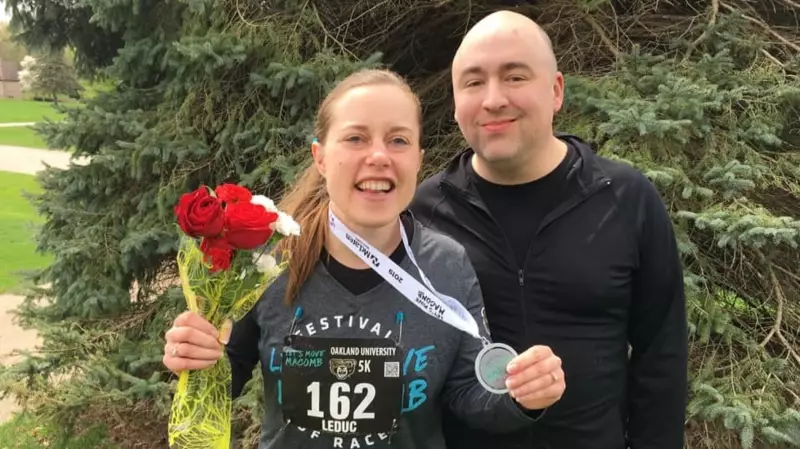
Through resilience and treatment compliance, I gradually rebuilt my life. I returned home, found meaningful work, began running competitively in 5K races, earned a master's degree, and purchased my first home. Meeting Tim at thirty-four brought stability and profound connection. His intelligence, humor, and gentle nature made family dreams feel attainable. During our engagement, my father—who had witnessed my darkest struggles—assured me I would make a wonderful mother, a testament to how far I had come.
Confronting Inheritance Risks and Care Planning
Genetic concerns weighed heavily on our decision-making. Children of parents with severe mental illnesses face approximately a one in three chance of developing psychotic or major mood disorders by adulthood. Since schizoaffective disorder typically manifests in late adolescence, we wouldn't know about potential inheritance for nearly two decades.
Tim voiced his fear about potentially caring for both a newborn and a destabilized partner. We developed comprehensive support plans involving doulas, childcare, parental assistance, and my transition to part-time remote work. Research offered encouragement: an eight-year American Psychological Association-cited study found that children of parents with various disabilities generally reported positive childhood experiences and high self-esteem.
The Emotional Rollercoaster of Treatment and Loss
Following the clinic's recommendation, I began tapering certain medications while maintaining the essential antipsychotic. In April 2020, during this delicate process, suicidal thoughts resurfaced powerfully as I prepared dinner. Recognizing the danger, I voluntarily admitted myself to a behavioral health unit—my only hospitalization in nine years—where I resumed medication to regain stability.

When biological pregnancy seemed too risky, we explored adoption alternatives. Despite years of stability, adoption agencies consistently rejected our inquiries due to my psychiatric hospitalization history. A 2024 conversation with a social worker confirmed the harsh reality: severe mental health histories create nearly insurmountable barriers in adoption systems, highlighting significant gaps in reproductive support for women with psychiatric conditions.
A Glimmer of Hope and Final Acceptance
By winter 2025, the perinatal clinic offered surprising optimism: none of my medications were clearly contraindicated, despite lingering uncertainties about antipsychotic effects during pregnancy. After removing my IUD, early spring brought promising symptoms—nausea, cramping, breast changes—that suggested possible pregnancy before my period arrived.
Throughout this period, nightmares haunted me: visions of giving birth to a child with psychotic disorders or returning to inpatient psychiatric care. During a heartfelt conversation, my mother offered crucial perspective: "Meggie, you can choose wellness." This revelation shifted my understanding—I valued my hard-won health more than motherhood itself. Wellness could enable other dreams.
Finding Fulfillment Beyond Traditional Motherhood
Tim held me as I expressed my decision to stop trying. "It's all right, Meggie," he whispered, smoothing my hair. I discovered nurturing takes many forms beyond biological parenting. During a recent family vacation, I helped my four-year-old niece spell words with alphabet blocks while her toddler brother played with trucks at my feet. Watching them, my heart simultaneously broke and sang with joy.
Today, I cherish my "gorgeously good little life" with Tim and our rescue cats. Where I once wished for death, I now embrace living fully. Though I relinquished my dream of having a baby, I created the beautiful existence I always envisioned—proving that fulfillment and purpose can flourish along unexpected paths.