Medical Evacuation Underway in Manitoba First Nation Amid Flood Threat
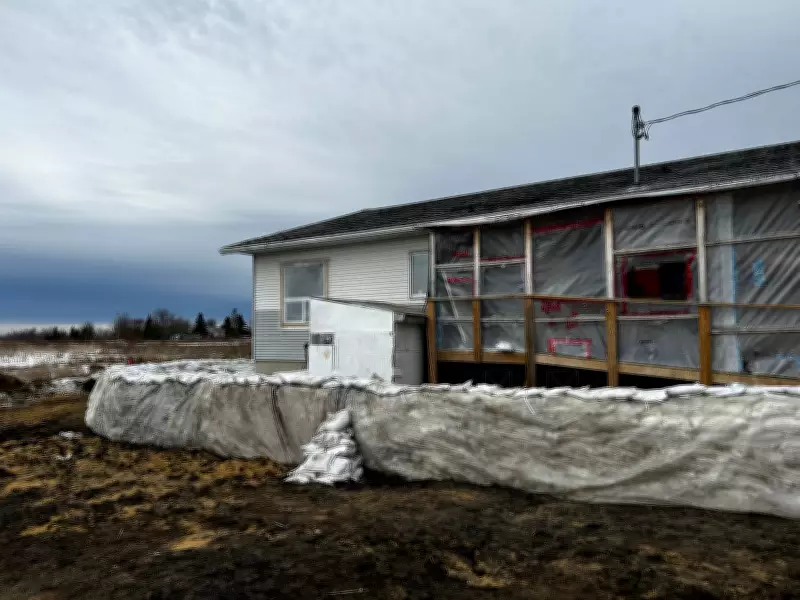
In a proactive response to escalating flood risks, Peguis First Nation in Manitoba has commenced the evacuation of residents with critical medical needs. This precautionary measure comes as rising water levels threaten the community, with sandbags already surrounding homes like that of Angela Flett to mitigate potential damage.
Preparedness Following Past Disasters
The evacuation effort reflects lessons learned from previous emergencies, including the deadly wildfire season of 2025. A Manitoba minister has stated that the province is now better prepared for such crises in 2026, emphasizing improved coordination and resource allocation. This enhanced readiness is crucial as climate-related events become more frequent and severe across Canada.
Community and Government Response
Local authorities are working closely with provincial agencies to ensure a smooth evacuation process, prioritizing vulnerable individuals who require ongoing medical care. The deployment of sandbags around properties highlights the community's efforts to protect infrastructure while residents are relocated to safer areas. This initiative underscores the importance of timely intervention in preventing health crises during natural disasters.

Environmental and Health Considerations
The situation in Peguis First Nation is part of a broader pattern of climate impacts affecting Indigenous communities, who often face disproportionate risks due to geographical and socio-economic factors. Ensuring access to healthcare during evacuations is vital, as disruptions can exacerbate existing medical conditions. The evacuation also aligns with national discussions on improving disaster response frameworks, particularly for remote and vulnerable populations.
As the 'waiting game' continues, residents and officials remain vigilant, monitoring water levels and weather forecasts to adapt their strategies accordingly. This evacuation serves as a reminder of the ongoing challenges posed by environmental changes and the need for sustained investment in community resilience and emergency preparedness.