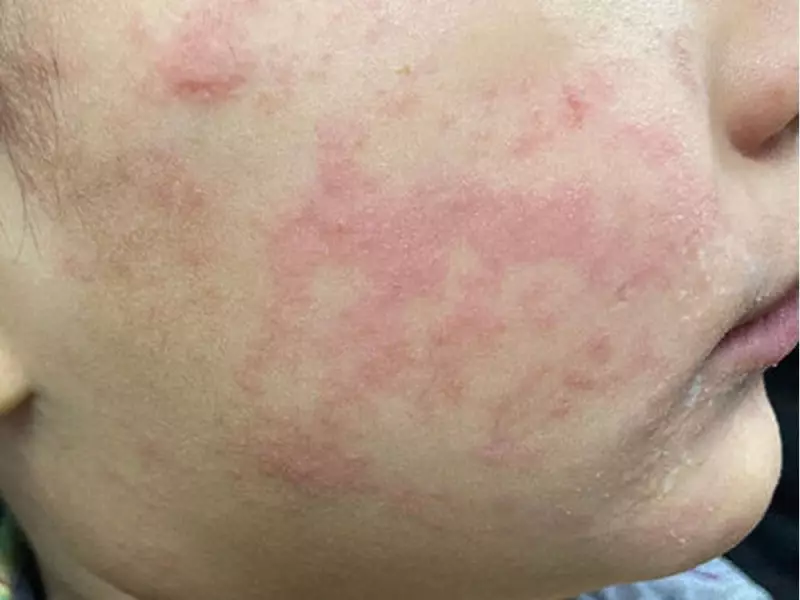
Measles Outbreak Intensifies Across the United States
The United States is facing a significant public health challenge as measles cases continue to surge nationwide. This week, health officials have confirmed that the outbreak has expanded to five additional states, marking a concerning escalation in the spread of this highly contagious disease.
New States Join Growing List of Affected Regions
According to the latest data from the Centers for Disease Control and Prevention, California, Minnesota, Washington, Idaho, and Kentucky have all reported new measles cases. This development brings the total number of states affected by the current outbreak to fourteen, with nine states already reporting cases earlier this month.
The previously affected states include Arizona, Florida, Georgia, North Carolina, Ohio, Oregon, South Carolina, Utah, and Virginia. South Carolina currently represents the largest outbreak, with 646 total cases reported as of January 20th. This marks a substantial increase from the 434 cases reported just one week prior.

Alarming Statistics Highlight Growing Crisis
Of the 416 measles cases reported in the United States so far this year, a staggering 94% have been linked to existing outbreaks. Only three cases originated from international visitors, indicating that domestic transmission is driving the current surge.
The situation represents a dramatic reversal of previous public health achievements. Last year, the U.S. recorded 2,255 confirmed measles cases—the highest number in 34 years and more than 600% higher than the previous year's total.
Vaccination Rates and Herd Immunity Concerns
Public health experts point to vaccination rates as a key factor in the outbreak's spread. States with the highest number of cases generally have vaccination rates below the national average. For instance, Utah, which has reported 216 total cases in its current outbreak, maintains a vaccination rate of approximately 90%—several percentage points lower than the national average.
The CDC recommends a 95% vaccination rate to achieve herd immunity against measles. South Carolina's vaccination rate sits slightly below the U.S. average, contributing to its status as the outbreak's epicenter.
Majority of Cases Among Unvaccinated Children
Health officials report that the majority of new infections this year are occurring among young, unvaccinated children. This trend highlights the critical importance of childhood immunization programs. The measles, mumps, and rubella vaccine demonstrates 97% effectiveness in preventing disease after two doses, making it one of the most reliable tools in public health prevention.
Measles Elimination Status at Risk
The United States is approaching a crucial deadline regarding its measles elimination status. In April, the Pan American Health Organization's committee will convene to determine whether the virus has been circulating in continuous transmission chains for twelve months—a key metric for maintaining elimination designation.
The CDC is currently collaborating with all fifty states to compile comprehensive genomic sequencing data ahead of this important meeting. Measles elimination status represents more than just a label; it symbolizes how a disease once eradicated through mass vaccination and public health campaigns is experiencing a dangerous resurgence.
The United States originally achieved measles elimination status in 2000, marking a major public health victory. The current outbreak threatens this hard-won accomplishment and underscores the ongoing importance of maintaining high vaccination coverage across all communities.