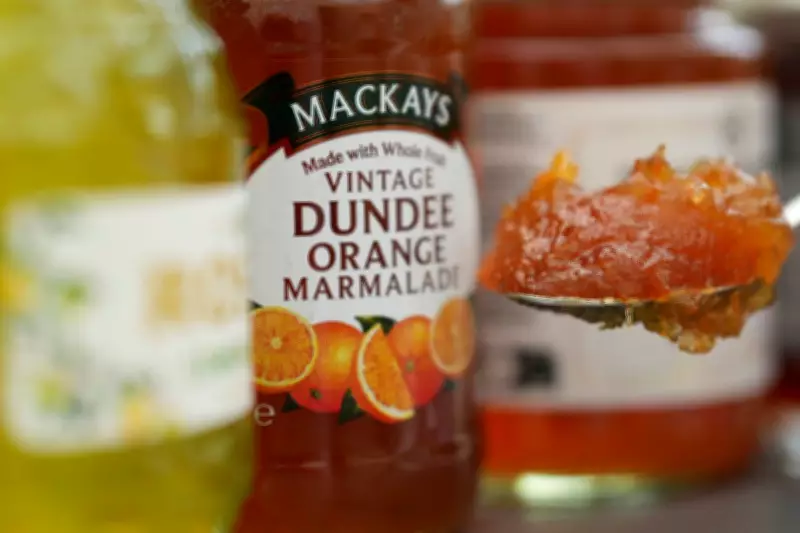
British Parliament Faces Sticky Debate Over Marmalade Definition Changes
British lawmakers find themselves in a particularly sticky situation as they grapple with proposed modifications to the official definition of marmalade. The parliamentary discussion has turned unexpectedly contentious, revealing deep divisions over how this traditional breakfast spread should be legally characterized and regulated.
The Core of the Controversy
At the heart of the debate lies the question of what precisely constitutes authentic marmalade under British law. The proposed changes would potentially broaden the definition to include variations that traditionalists argue dilute the essential character of this beloved citrus preserve. Supporters of the modifications suggest that updating the definition reflects modern culinary practices and consumer preferences, while opponents maintain that such changes threaten to undermine centuries of British food heritage.
The debate has exposed surprising fault lines within Parliament, with legislators from various parties taking strong positions on what might appear to be a minor regulatory matter. The discussion has become surprisingly heated, with passionate arguments being made about preserving culinary traditions versus adapting to contemporary food manufacturing realities.

Historical Context and Modern Implications
Marmalade holds a special place in British culinary history, with documented recipes dating back centuries. The traditional definition typically requires specific citrus fruit content, preparation methods, and ingredient proportions that have been standardized for generations. Any alteration to this definition represents more than just regulatory tweaking—it touches upon questions of cultural identity and food authenticity that resonate deeply with both producers and consumers.
The parliamentary debate has highlighted several key considerations:
- How food definitions should balance tradition with innovation
- The economic impact on marmalade producers of different sizes
- Consumer expectations regarding product labeling and transparency
- International trade implications for British food exports
Broader Significance of the Debate
While the specific focus on marmalade might seem narrow, the discussion reflects larger questions about how societies define and protect traditional foods in an era of globalization and changing consumption patterns. The parliamentary jam over marmalade definition changes serves as a microcosm of broader debates about food regulation, cultural preservation, and legislative priorities.
As the debate continues, observers note that the outcome could set important precedents for how Britain approaches similar questions about other traditional foods and culinary products. The marmalade discussion has unexpectedly become a test case for how Parliament balances competing interests in food policy, with implications that extend far beyond the breakfast table.