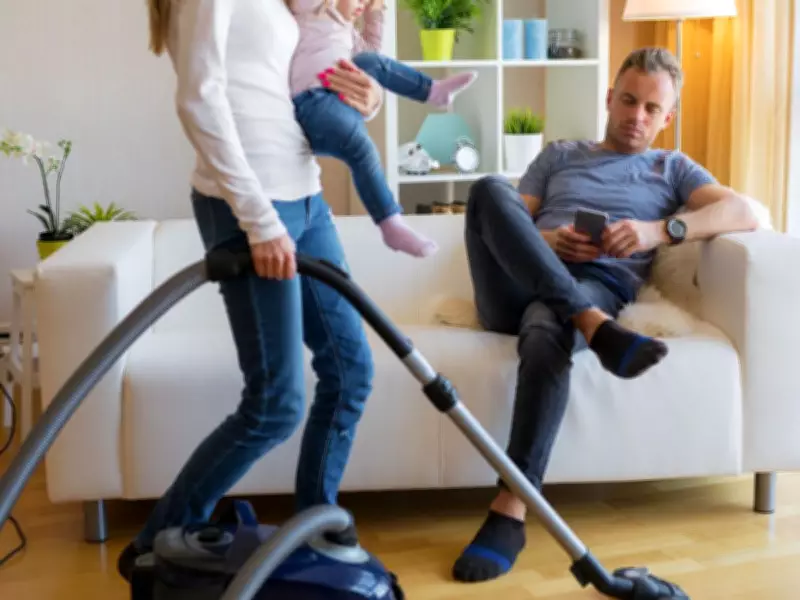
The Rise of the Single Married Woman: Navigating Loneliness and Resentment in Modern Marriages
In today's fast-paced world, a troubling trend is emerging among married women: the phenomenon of the "single married woman." These are individuals who, while legally wed, find themselves shouldering the burdens of household management, finances, and parenting alone, as their partners become emotionally or physically absent. This reality, more common than many realize, is reshaping relationships and leading to widespread burnout and resentment.
The Unseen Labor of Modern Wives
It was a typical Thursday morning when I stumbled upon an article in New York Magazine's The Cut titled Love My Husband (Who Hates Me). The piece delved into disturbing anecdotes shared by women online, ranging from husbands avoiding chores to instances of outright abuse. One story that particularly resonated was that of Chloe, a 36-year-old woman whose husband requested "space" and then vanished, leaving her to manage their home and two large dogs without any support. Her experience is not isolated; it reflects a broader pattern where married women feel increasingly alone in their partnerships.
As I explored further, I discovered a wealth of online content dedicated to "single married women," revealing a consistent theme: these women are often left to handle all aspects of domestic life, from decision-making to maintenance, while their partners remain disengaged. This imbalance is exacerbated by what therapists describe as "invisible labor"—the emotional management, planning, and anticipation of needs that frequently fall on women's shoulders in heterosexual relationships.

The Psychological Toll of Emotional Neglect
Ken Fierheller, a Registered Psychotherapist at One Life Counselling & Coaching, explains, "In many households, especially in heterosexual relationships, women often take on a significant amount of invisible labour: emotional management, planning, anticipating needs, and keeping things running smoothly. When this work isn’t acknowledged or shared, it creates an imbalance." This imbalance can lead to a quiet fissure in the relationship, where wives become burnt out and resentful over time.
Hillary Pilotto, MA, LCPC, at Better Balance Counselling, adds, "One of the biggest signs I see in my practice is when a woman stops expecting support. Usually, that doesn’t happen overnight. It’s a slow-moving descent into separateness." This erosion of connection can make marriage feel lonelier than being single, as women grapple with cognitive dissonance—feeling lonely despite having a partner, which often brings shame and self-doubt.
Coping Mechanisms and Self-Abandonment
In response to this loneliness, many women adopt hyper-capable personas, sacrificing their own needs and health to keep the household functioning. Fierheller notes, "It’s exhausting to carry a life that was meant to be shared." However, this coping can cross into self-abandonment when women stop acknowledging their own feelings to maintain stability. Pilotto clarifies, "Coping looks like adapting and being flexible. Self-betrayal looks like she no longer knows what she wants because her system has trained her to stop wanting."
For many, leaving such a marriage is fraught with challenges, especially when children are involved. Financial fears, often underestimated for women who paused careers for child-rearing, coupled with exhaustion and obligation, can trap them in unfulfilling relationships. Pilotto emphasizes, "Financial fear is real and frequently underestimated, especially for women who stepped back professionally during child-rearing years." Fierheller adds that staying purely out of fear can lead to a disconnection from one's soul, making it crucial to reassess the relationship's dynamics.

Evaluating the Path Forward
If you find yourself in this situation, therapists recommend asking key questions to gauge your relationship's health. Pilotto suggests, "If nothing changes in five years, can I live well inside of this marriage?" and "Have I named what I need, clearly and directly, at least once, or have I hoped my partner would notice what I need?" For parents, it's vital to consider the example set for children by asking, "What am I modelling for the people watching me?" Lastly, reflect on what advice you would give a friend in a similar scenario—if you'd urge them to leave, it might be time to heed that insight.
Fierheller advises single married women to have an honest reckoning with who they've become—exhausted, invisible, angry—versus who they aspire to be in a loving partnership: seen, heard, and supported. This exploration can serve as a starting point for healing. Ultimately, the question isn't just about staying or leaving but about what it takes to feel whole again within the relationship and whether both partners are willing to do the work to rebuild.
As this trend gains attention, it highlights the need for greater awareness and support for women navigating the complexities of modern marriage, where partnership should mean shared responsibility, not solitary struggle.